

Transforming Public and Private Healthcare: The Power of AI Software
Information technology is transforming the very fabric of the healthcare industry, heralding a new era of disruption and innovation. Hospitals and medical professionals are experiencing a paradigm shift, thanks to the remarkable emergence of cutting-edge radiology artificial intelligence solutions. The advent of bespoke software development companies catering to the healthcare sector has injected fresh vitality into an otherwise conventionally disordered realm.
Transforming Healthcare: AI Solutions
Hospitals once plagued by disorganization are now embracing professionalism and bidding farewell to cumbersome work. Empowered by tablet PCs and smartphones, doctors are revolutionizing diagnosis, patient care, prescriptions, and overall patient services. All over the world, these ingenious custom software development companies have risen to the occasion, providing ingenious solutions to the myriad challenges faced by hospitals. Patients and those seeking medical care are now reaping the profound benefits of well-managed healthcare institutions.
The technological revolution commences right from the moment a patient steps foot in a medical facility. Every facet, from generating comprehensive reports to seamlessly scheduling medical appointments, generating lab reports, and conducting intricate tests, has been thoughtfully automated. The entire clinical history of patients is meticulously preserved in electronic form, while health records are rapidly transitioning into the realm of paperless efficiency.

The future of healthcare is unfolding before our very eyes, powered by the remarkable fusion of information technology and artificial intelligence. We stand at the cusp of a transformative era, where the marvels of technology reshape our healthcare landscape, enabling us to deliver superior care and efficiency to patients worldwide.
A magnificent revolution is underway, transforming the realm of records management within the healthcare landscape. No longer must we contend with the chaotic tangle of patient records, the unwieldy burden of managing multiple files, or the task of tracking doctor notes. Instead, a smarter approach emerges, meticulously crafted by multiple software companies.
Custom Software for Hospitals
Efficient records management and secure storage of patient information are only part of the extraordinary transformation. Custom solutions are empowering hospitals to seamlessly manage their intricate rosters, effortlessly coordinate doctor visits, optimize staff availability, and streamline appointment scheduling without burdening patients.
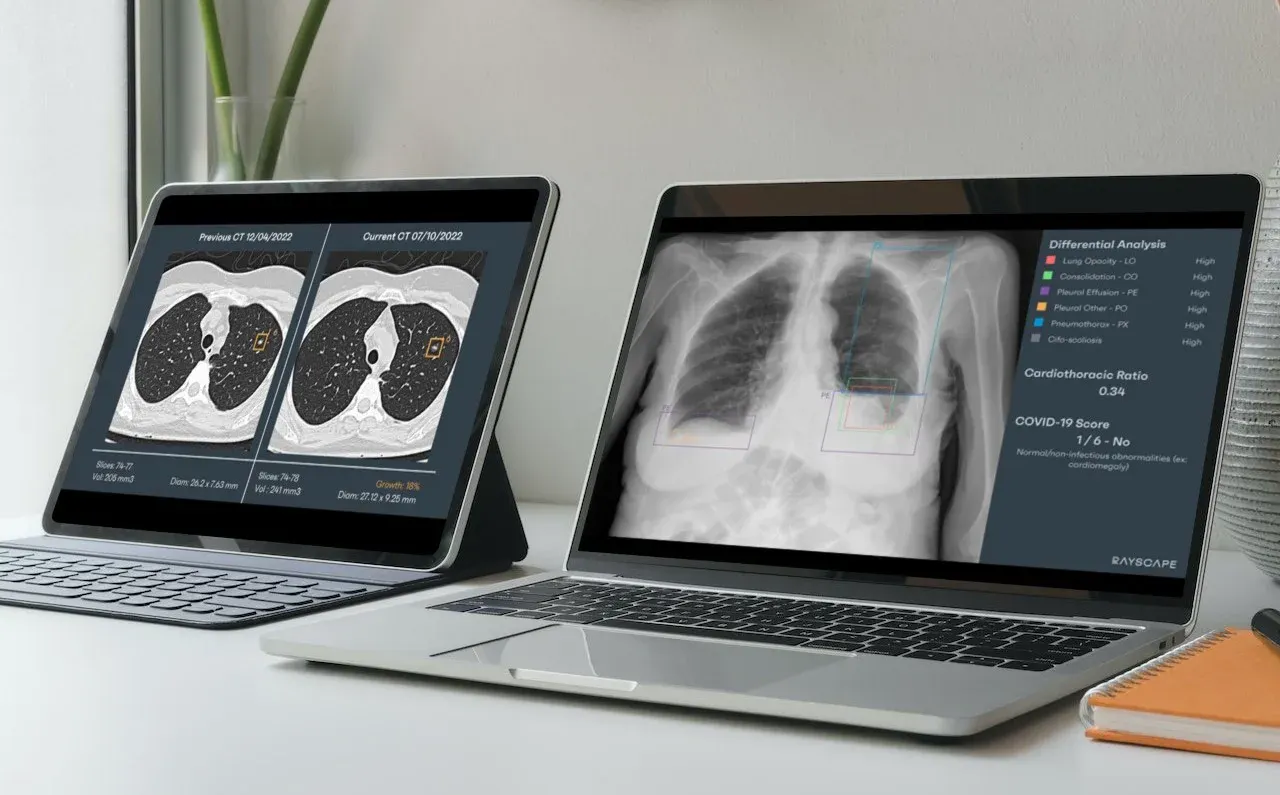
Furthermore, the realm of diagnosis has witnessed a paradigm shift with the integration of innovative software. Multiple pioneering applications, at the forefront of the radiology field, have harnessed the power of machine learning and artificial intelligence in their diagnostic solutions. This cutting-edge integration enables the generation of high-fidelity information, empowering medical professionals to achieve unprecedented accuracy in their diagnoses.
Sophisticated information systems now equip doctors with crucial statistics that assist in finalizing accurate conditions. Through the analysis of symptoms, reports, X-rays, CTs, lifestyle factors, and comprehensive medical histories, software algorithms come into play. The fusion of data science and data analytical models ensures thorough analysis, with continuous refinement based on success rates. Armed with insights from the analysis of millions of patient records, doctors are empowered to make informed decisions with utmost precision.

Streamlining Operations with Artificial Intelligence
Hospitals, recognizing the indispensable value of tailor-made solutions, are increasingly turning to custom software development agencies over generic, off-the-shelf products. The unparalleled functionality and customizable nature of custom software solutions far exceed the limitations of their commercial counterparts. Collaborating with a dedicated agency not only simplifies the implementation of hospital-specific requirements but also fosters a fruitful partnership for ongoing enhancements and adaptations to meet evolving needs.
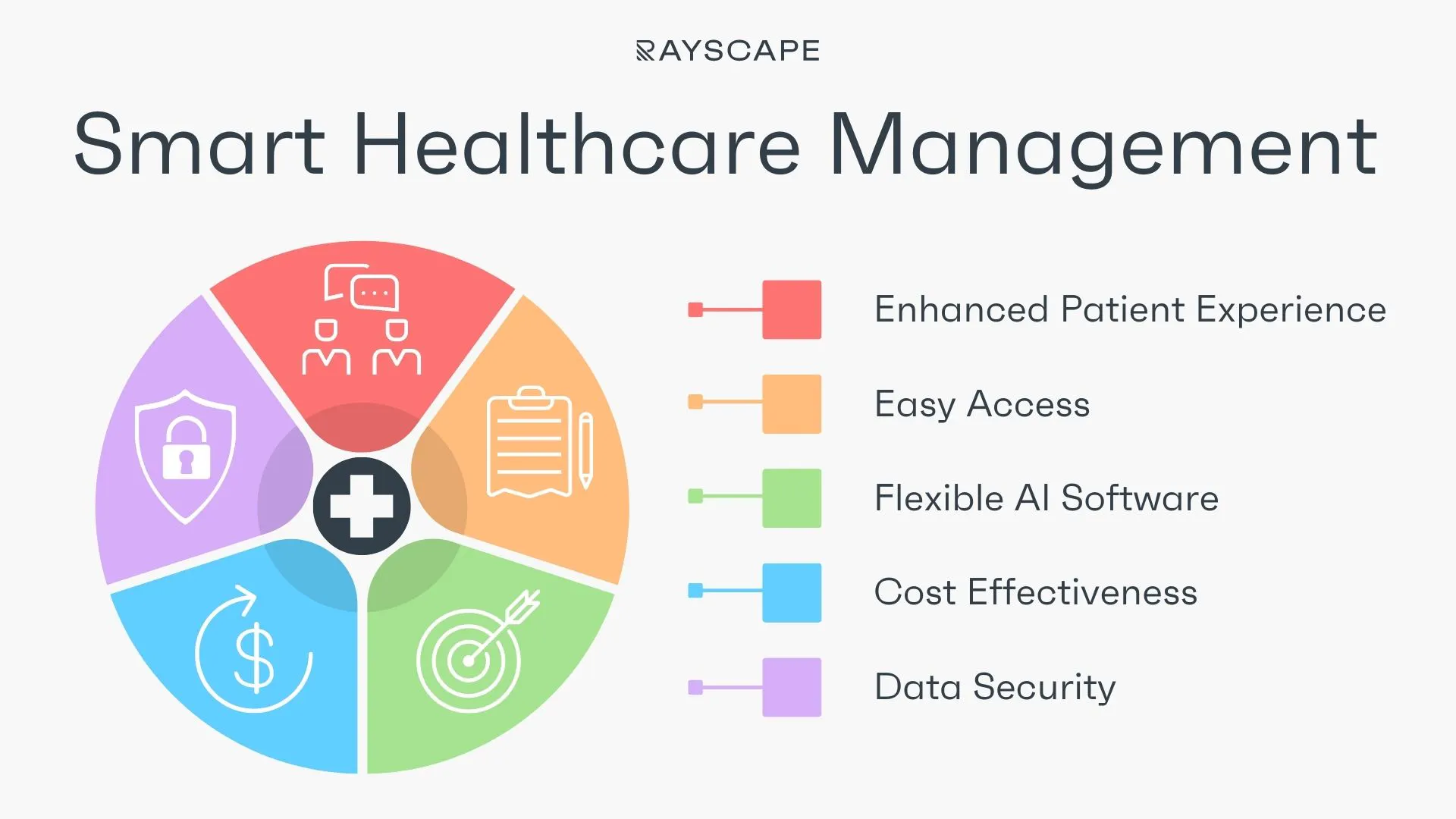
There is an array of key benefits through the implementation of cutting-edge artificial intelligence software in the healthcare sector. The advantages are manifold and extend across various crucial aspects of medical practice, ensuring enhanced patient care, integrated systems, customizable solutions, and improved healthcare standards.
First and foremost, advanced diagnosis takes center stage, offering a multitude of use cases that enhance the overall patient experience. With the aid of software, appointment management becomes seamless, allowing for streamlined scheduling between patients and their respective doctors. Digitized patient records empower medical practitioners to retrieve, transmit, share, and analyze treatment options, fostering better engagement and reducing the likelihood of errors associated with manual paperwork and reliance on human memory. The result? A higher standard of patient care and improved patient satisfaction.
Advancing Patient Care
The integration of systems is another remarkable benefit achieved. Hospitals often consist of numerous departments and sub-departments, making it a challenging task for data to navigate through the treatment process. However, automation solutions provided by AI can integrate these departments, simplifying the experience and reducing management overheads for hospital administrations. By unifying the various components, medical data can enjoy a smoother journey throughout the system, resulting in increased efficiency and improved overall healthcare delivery.

Customizability and adaptability are essential factors for hospitals that aim to stay ahead in the ever-evolving healthcare landscape. Unlike internal solutions, smart artificial intelligence tools offer unparalleled flexibility. Healthcare establishments undergo constant transformations, whether it's expanding capacity, introducing new treatment options, or diversifying medical departments. In such dynamic scenarios, smart applications step in to cater to the unique needs of each hospital, enabling the creation of comprehensive and tailored hospital administration systems. With the support of IT, hospitals can embrace this innovative approach and remain agile in an ever-changing industry.
Emerging technologies such as big data, the Internet of Things (IoT), machine learning, and artificial intelligence are driving unprecedented efficiency and precision in medical practice. Medical practitioners can interpret complex medical images within milliseconds, empowering them to make informed decisions swiftly. Additionally, machine-learning-enabled robotic devices enable doctors to perform procedures with unparalleled precision. Overall, the integration of technology is raising the bar in terms of accuracy and effectiveness in medical diagnostics and treatment.
Unleashing Accurate Diagnoses with AI
In a rapidly evolving healthcare landscape, the adoption of artificial intelligence and radiology software development is not merely an option but a necessity. By embracing these transformative technologies, hospitals can unlock a new era of enhanced patient care, streamlined operations, and improved healthcare standards, ultimately revolutionizing the way medical services are delivered.
With the advent of smart software solutions in the healthcare sector, hospitals that fail to embrace this transformative technology risk falling behind their counterparts that do. This divide between hospitals utilizing smart software and those that do not carries significant implications for both the public and private healthcare sectors, ultimately affecting the general population of a country.
For the public healthcare sector, the failure to adopt artificial intelligence can result in operational inefficiencies, prolonged wait times, and suboptimal care. Hospitals that rely on outdated manual processes and systems struggle to keep pace with the demands of a rapidly evolving healthcare landscape. In contrast, hospitals that integrate smart software solutions benefit from streamlined operations, automated appointment scheduling, and enhanced patient record management and diagnostics. This positions them as preferred choices for patients seeking efficient and high-quality healthcare services.
As a result, hospitals lacking smart software integration may experience decreased patient volumes and revenue loss, potentially hampering their ability to invest in cutting-edge medical technologies and attract top talent.
Embracing the Future
The consequences extend beyond the healthcare sector itself and reverberate throughout the general population of a country. Access to efficient and high-quality healthcare services is a fundamental necessity for individuals and communities. The general population benefits from reduced healthcare costs, shorter waiting times, enhanced medical record accessibility, and a higher standard of care. The adoption of smart software in healthcare institutions carries significant cost implications for both public and private sectors, as well as national healthcare funds. Understanding these impacts is crucial for evaluating the financial considerations associated with implementing smart software solutions.
In the public healthcare sector, the upfront investment required for integrating smart software may pose a financial challenge for hospitals, particularly those operating under constrained budgets. The long-term benefits of improved operational efficiency, streamlined processes, and enhanced patient care can outweigh the initial costs. By reducing administrative burdens, minimizing errors, and optimizing resource allocation, artificial intelligence can contribute to cost savings over time.
In the private healthcare sector, the cost implications of smart software adoption are typically easier to manage due to the availability of financial resources. Private hospitals can leverage their revenue streams to invest in advanced software solutions, thereby gaining a competitive edge. The initial investment may be substantial, but the potential return on investment lies in the ability to attract high-value patients.
From the perspective of national healthcare funds, the adoption of Artificial Intelligence presents a twofold consideration. Firstly, funds allocated to public healthcare institutions must account for the initial investment in software implementation and training. While this may require additional financial resources in the short term, the long-term benefits can lead to cost savings and a more effective allocation of funds. Secondly, national healthcare funds must also consider the potential impact of disparities between institutions that adopt smart software and those that do not.
This may necessitate policy interventions or incentives to encourage broader adoption and ensure equitable access to efficient healthcare services across the population. While the initial investment in smart software adoption may present financial challenges, the long-term cost implications are often favorable for healthcare institutions and the government.
Are you a healthcare provider looking to integrate AI into your practice but struggling to obtain reimbursements? By using our products, you can improve patient outcomes while also decreasing costs for your practice. Don't miss out on this opportunity to innovate and drive value in healthcare. Contact us today to learn more about how our AI-powered solutions can benefit your practice and help you obtain reimbursements.

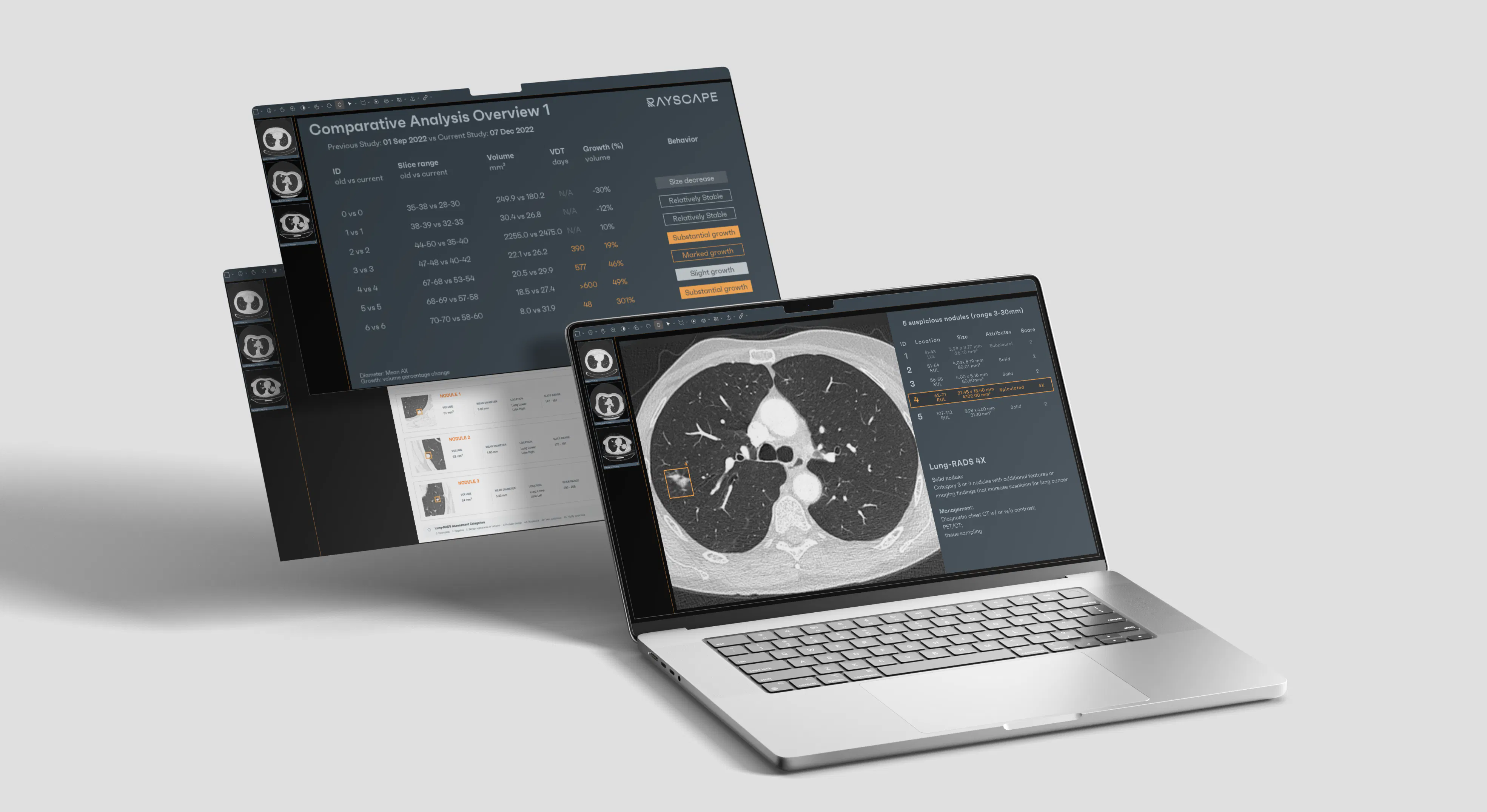

Discover how Rayscape works
integrate Rayscape AI into
your hospital's infrastructure
and improve both your
daily workflow and patients' experience.
