

AI-Driven Oncology Imaging: automated lung nodule analysis and RECIST reporting
Cancer care is a race against time, and radiology stands at its frontline. Across Europe, cancer remains one of the leading public health challenges, with millions of new diagnoses every year and increasing pressure on imaging departments. For oncologic patients, timely and precise imaging follow-up is not optional—it directly shapes treatment decisions and outcomes.
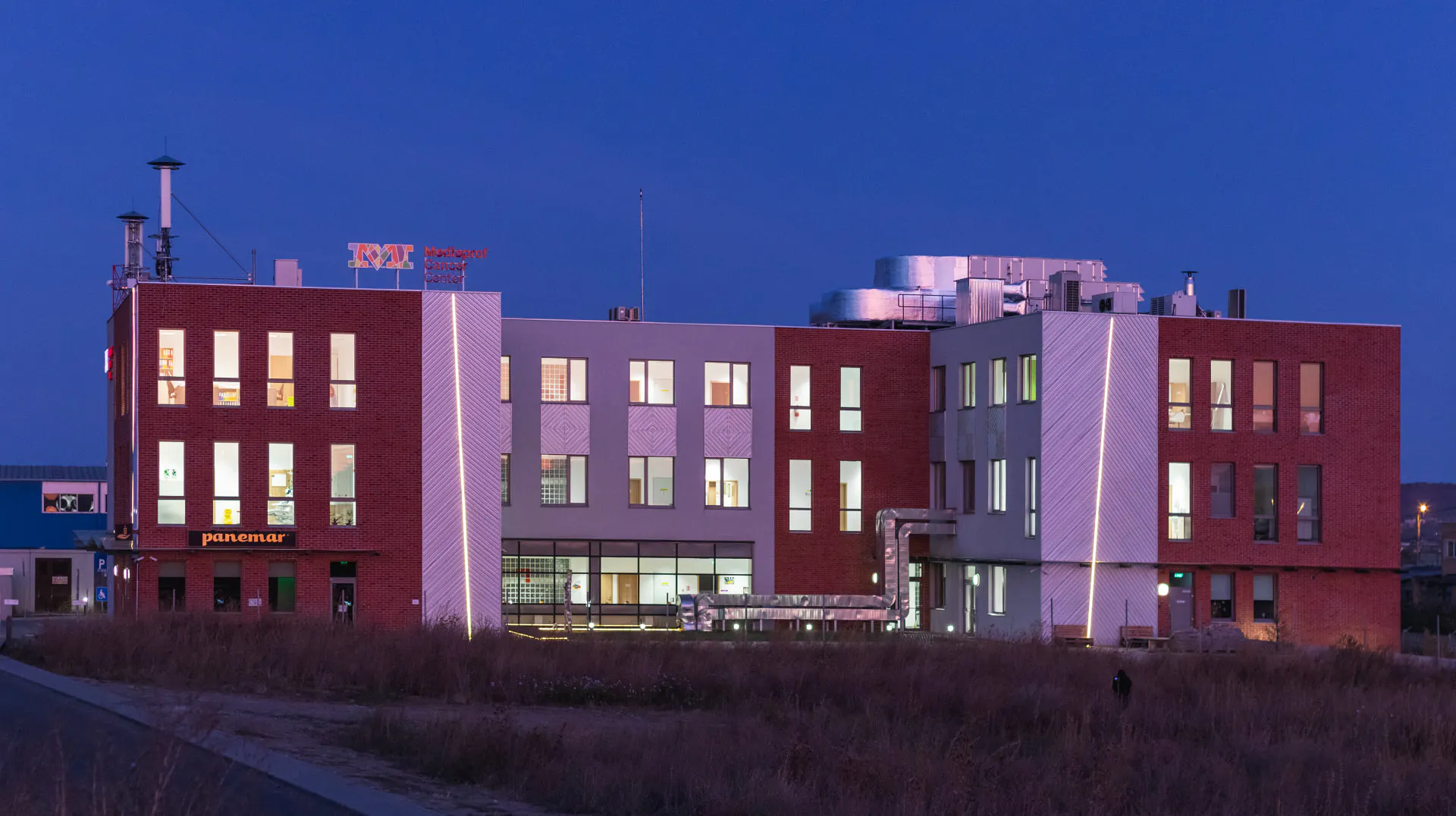
Within this context, Rayscape, Medisprof Hospital (Cluj-Napoca), and FreshBlood HealthTech joined forces in the HealthChain initiative, an EU-funded collaboration focused on turning real clinical needs into scalable digital health solutions.
The challenge: oncology imaging under pressure
Modern oncology relies heavily on repeated CT examinations to evaluate tumor response and disease progression. Each follow-up scan requires radiologists to manually compare multiple studies, identify target lesions, measure dimensions, and assess subtle changes over time. This process is time-consuming, cognitively demanding, and prone to variability, especially in high-volume clinical settings.
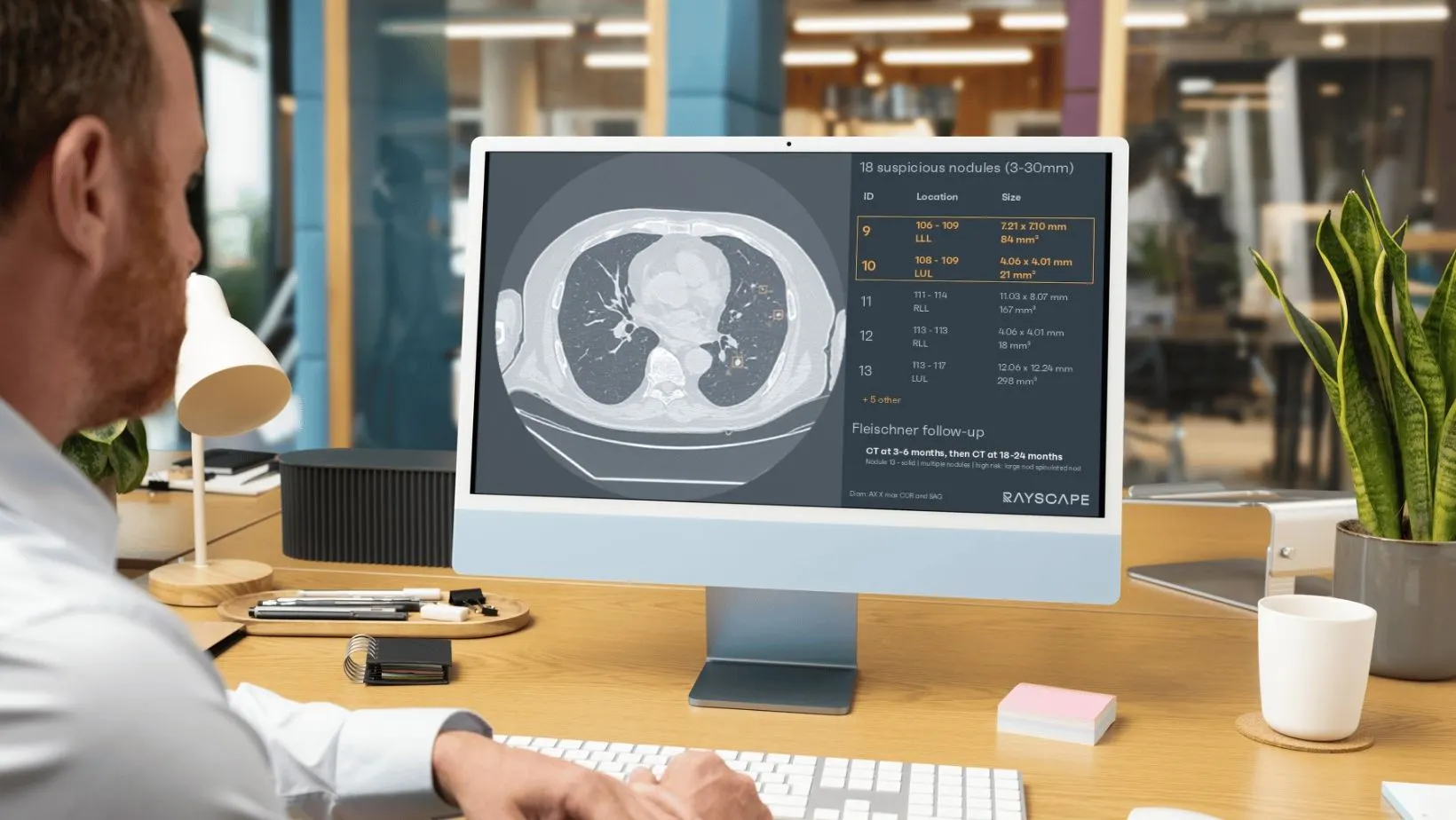
Studies show that in longitudinal CT assessments, discrepancies can occur in up to 20–30% of cases, highlighting the limitations of manual analysis alone. As cancer incidence continues to rise, these challenges are only intensifying.
The solution: AI integrated directly into clinical workflow
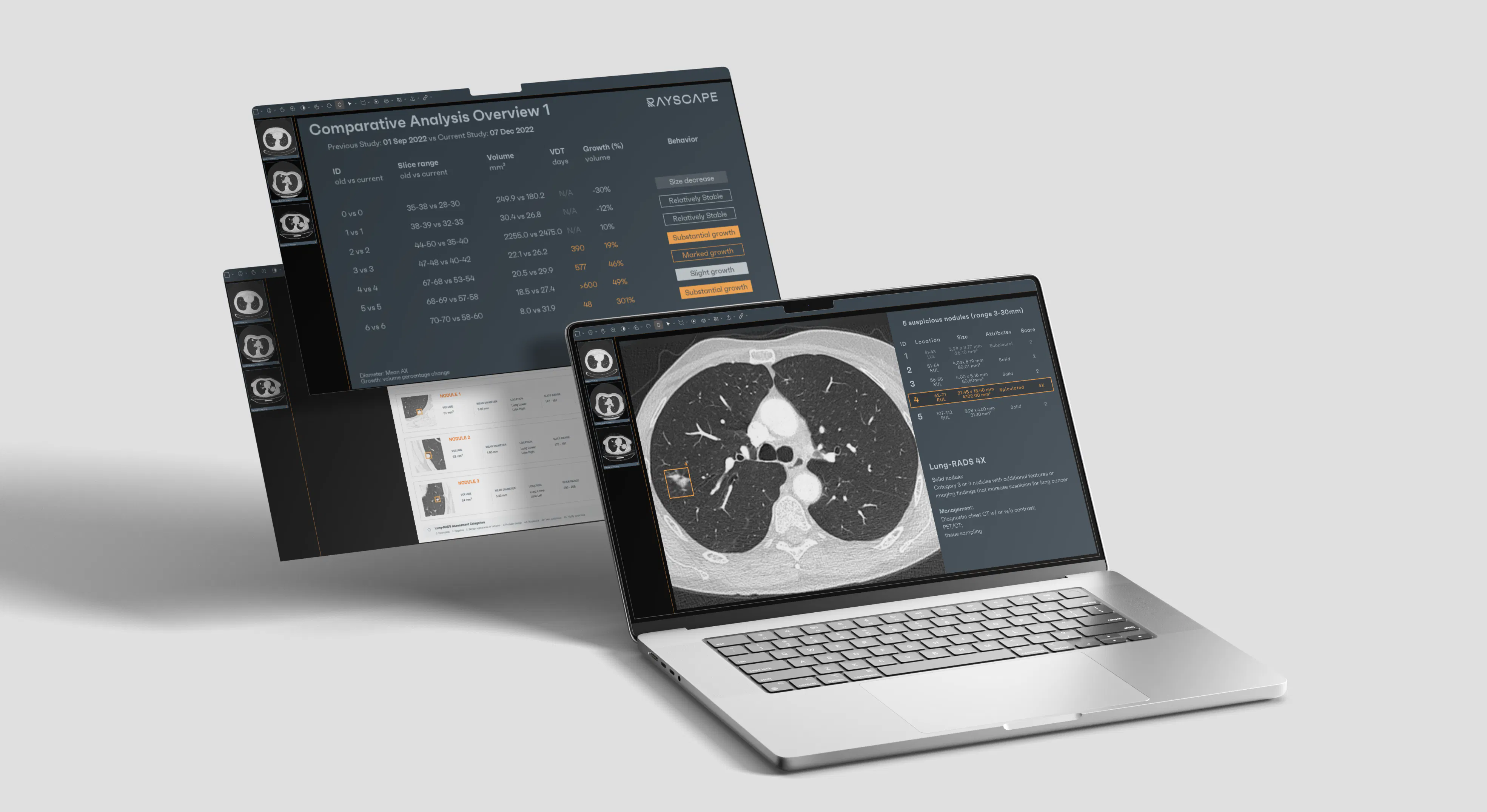
At Medisprof Hospital, AI is already part of daily oncology imaging practice. The hospital uses Rayscape Lung CT, an advanced artificial intelligence solution designed to assist radiologists in detecting, measuring, and tracking pulmonary nodules across multiple CT examinations.
The system automatically detects pulmonary nodules between 3 and 30 mm across all CT types: low-dose, standard-dose, contrast, and non-contrast—precisely marking their location in the lungs. Beyond detection, the software performs automatic volumetric measurements and analyzes lesion characteristics such as shape, margins, and texture, supporting a more standardized and objective assessment of disease evolution.
Crucially, Rayscape integrates directly into the hospital’s PACS. AI results appear within the existing radiology workflow, without additional software, extra steps, or disruption of reporting routines.
Longitudinal tracking and objective follow-up
One of the core strengths of the solution is longitudinal comparison. The software aligns CT scans from different time points, matches corresponding nodules, and quantifies their evolution over time. Radiologists receive objective metrics such as volume doubling time and percentage growth rate: key indicators for determining whether a lesion is stable, regressing, or progressing. This approach reduces inter-reader variability, improves consistency across reports, and allows radiologists to focus more on clinical judgment rather than repetitive measurements.
Building toward automated RECIST evaluation
Building on this foundation, the collaboration has progressed within the HealthChain project toward the development and validation of an automated RECIST (Response Evaluation Criteria in Solid Tumors) module. RECIST is the global standard for evaluating tumor response to treatment, but applying it manually is labor-intensive and susceptible to human variability. The goal of this next phase is to automate key RECIST steps: identifying target lesions, performing consistent measurements, and generating structured, guideline-aligned reports directly within the radiologist’s workflow. This capability aims to make oncologic follow-up faster, more reproducible, and more transparent, while keeping clinicians firmly in control of final interpretation and decisions.
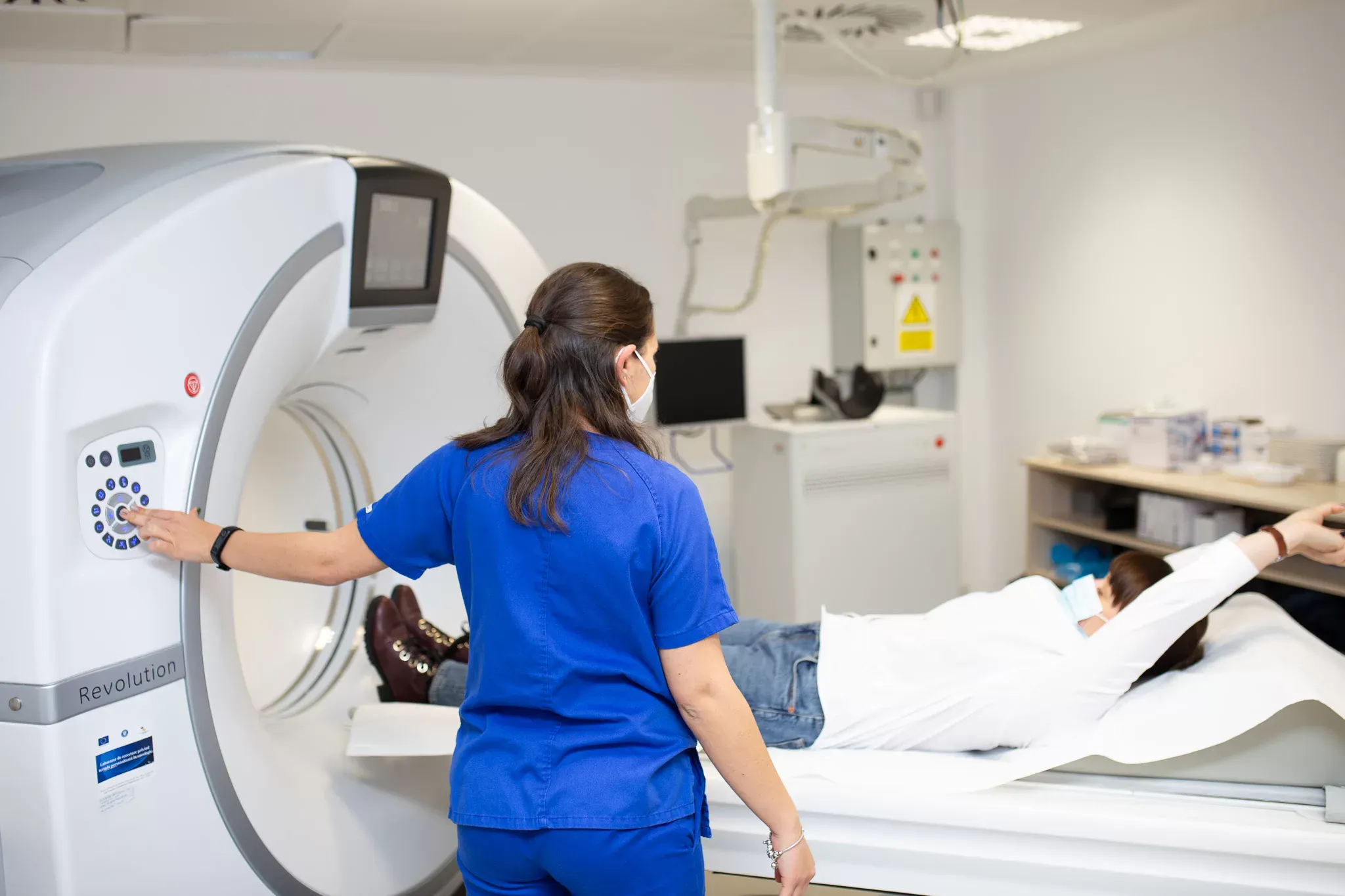
A scalable model for responsible AI in oncology
The collaboration between Rayscape, Medisprof Hospital, and FreshBlood HealthTech demonstrates how European partnerships can turn advanced technology into measurable clinical impact. By combining clinical expertise, interoperable design, and transparent validation, the project offers a blueprint for responsible AI adoption in oncology imaging. The shared vision is clear: empower radiologists and oncologists with data-driven insights that support earlier intervention, more effective treatments, and better outcomes for patients, without compromising clinical autonomy.
Want to explore the full case study and technical details behind this collaboration?

Discover how Rayscape works
integrate Rayscape AI into
your hospital's infrastructure
and improve both your
daily workflow and patients' experience.
