

How AI Radiology Apps Are Reshaping Healthcare
From early symbolic reasoning to modern neural networks, radiology has always embraced progress. Today, multiple software and AI protocols raise the bar again, rapidly analyzing scans to reveal pathologies faster and more precisely than ever before. In the text that follows, we examine the forces propelling these apps forward and the policies ensuring they fulfill their life-changing potential responsibly.
Efforts to blend AI with healthcare have progressed steadily over many decades. Recent rapid advances in AI have opened powerful new possibilities while posing sizable challenges for healthcare organizations, lawmakers, policymakers, and regulatory bodies. In the US, these pressures have prompted swift movement to enact policies and guidelines, whereas consensus organizations strive to interpret emerging frameworks and highlight best practices. Their collective recommendations underscore transparency, trustworthiness, fairness, equity, data interoperability, and patient safety, calling for inclusive collaboration, ongoing safety evaluation, and governance processes that manage the risks of AI deployment. They also emphasize the need to address existing inequities in healthcare, warning that without careful oversight, AI might inadvertently worsen disparities.
Priorities for 2025 aims to parse today’s pressing public health questions and offer counsel for the incoming US presidential administration. It begins by tracing how AI has reached this pivotal stage through decades of breakthroughs.
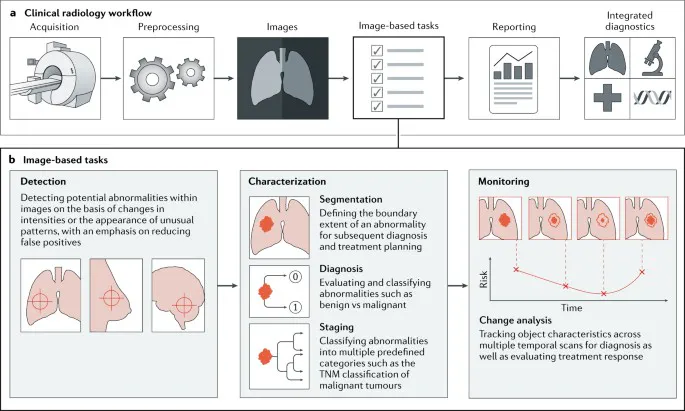
Foundational research in health care AI originated in the late 1950s with symbolic logic and statistical methods, including probabilities and the early perceptrons that foreshadowed modern neural networks. Those core approaches evolved over time, spanning rule-based reasoning, probabilistic Bayesian networks, and beyond. More recent machine learning techniques assemble inference systems purely from health data, underpinning diagnostic, predictive, and even generative models. This progress draws on the explosive growth of electronic data capture and computational resources.
Yet, for all the enthusiasm, real-world AI impact in clinical practice has remained limited. In fact, some of the most clinically transformative AI-driven tools—such as ten-year cardiovascular risk calculators, LACE scores for readmission risk, the Ottawa Ankle Rules for fractures, APACHE scores for ICU mortality, and CHA2DS2-VASc stroke risk assessments—often go unrecognized as AI. Developed from early models, and then refined for manual use, they delivered demonstrable clinical benefits long before the rise of advanced machine learning.
The Long Journey Toward AI-Driven Health
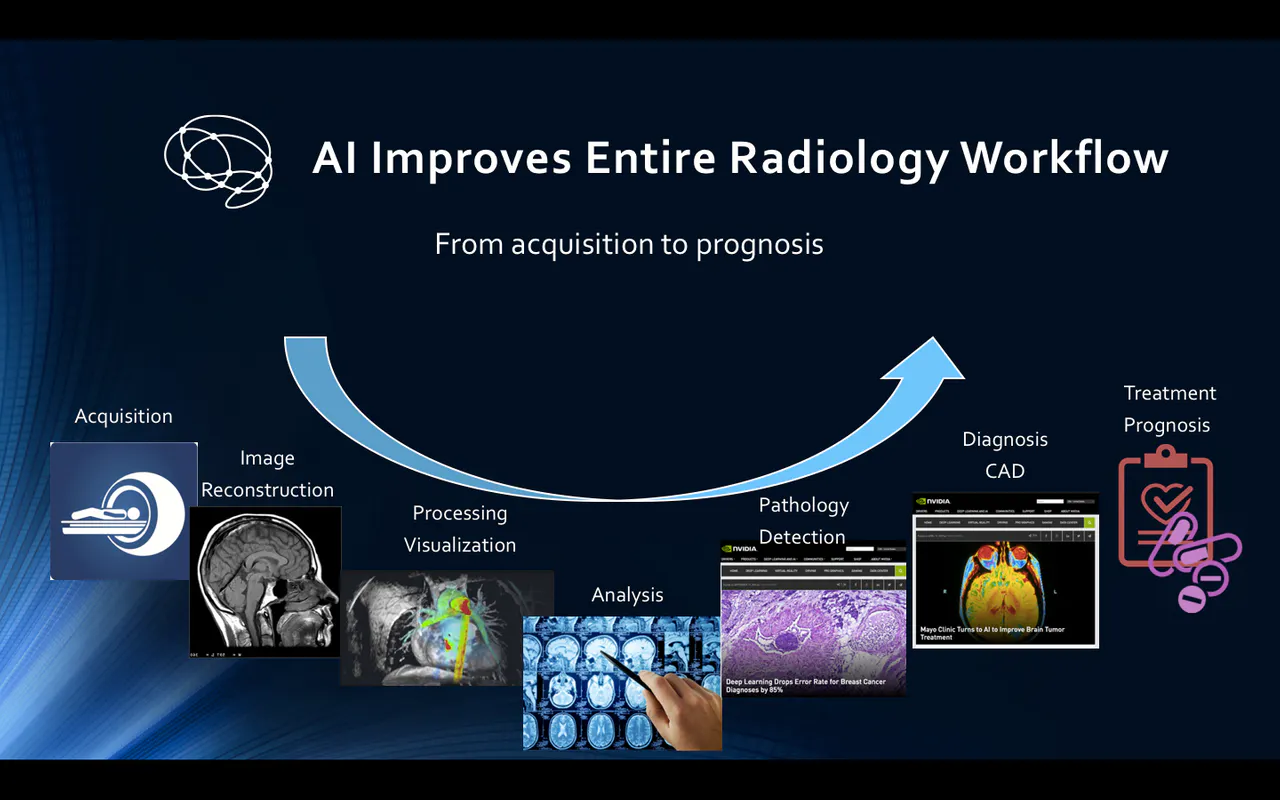
With the emergence of deep neural networks, a fresh wave of technological promise is cresting in healthcare. These newer methods handle classification, diagnosis, prediction, and even generate their own inferences, enabling capabilities such as immersive simulations, consultative dialogues, and sophisticated text-based tasks, including summarizing records, creating reports, and accurately transcribing voices. When embedded in clinical workflows, these systems have the potential to sharpen digital image analysis, bolster diagnostic reasoning, and improve population health management. Convolutional neural networks, for example, have shown promise for classifying pulmonary tuberculosis on chest radiographs [Lakhani P, Sundaram B. Radiology. 2017;284(2):574–82], and deep learning methods have been used to identify and triage intracranial hemorrhages in emergency CT scans [McBee MP, Awan OA, Colucci AT, et al. Acad Radiol. 2018;25(2):147–58].
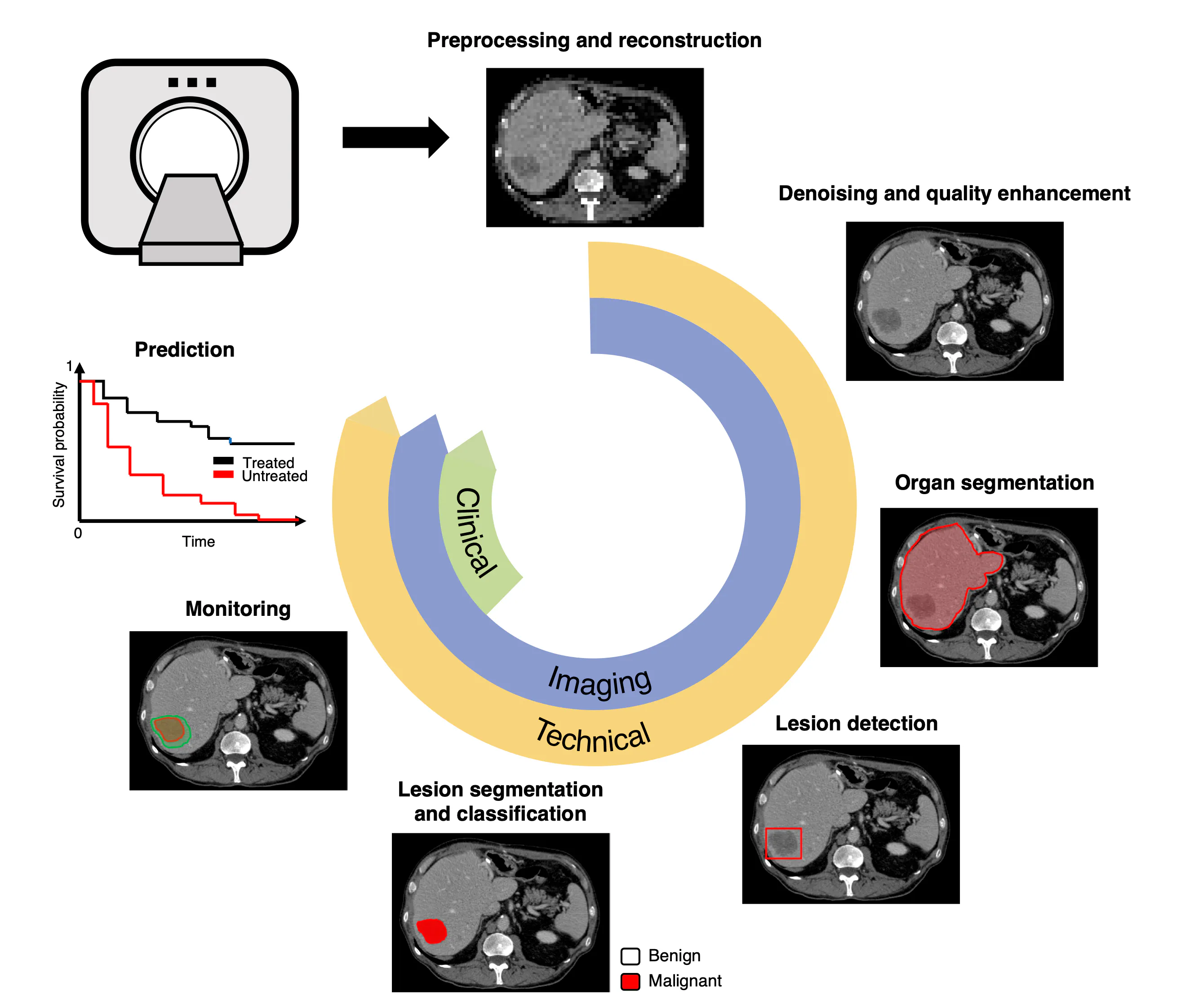
The swift evolution of AI and its potential in health care has prompted legislators, policymakers, and regulators to clarify how to enable these advances responsibly.
Four key policy areas have come into view: ensuring the safe, effective, and trustworthy use of AI; fostering an AI-ready workforce; expanding research on health-related AI; and defining responsibility and liability in clinical settings. At the center of these efforts is a focus on trustworthiness, encompassing fairness, equity, bias reduction, and long-term viability.
Even so, radiology software that uses AI continues to face hurdles: evaluating reliability in varied clinical environments, converting lofty objectives into everyday practice, grappling with data quality and management, and integrating seamlessly with workflows. Transparency remains an especially tough challenge; practitioners need clear insight into AI decision-making to ensure that performance is equitable across patient populations. In some instances, AI tools have stumbled, although widespread evidence of direct patient harm remains sparse. As these technologies continue to expand, policymakers and healthcare leaders must maintain vigilant oversight, ensuring that the AI revolution benefits all and avoids deepening long-standing inequities.
Charting Priorities For 2025
Demographic shifts, evolving disease patterns, and other dynamic factors call for continuous bias assessments, model retraining, and fine-tuning to ensure equitable performance in diverse patient groups. Before any system goes live, test conditions should mirror real-world circumstances, emphasizing the need for local validation and ongoing vigilance monitoring to maintain trust and reliability.
When AI meets the definition of a medical device, the US Food and Drug Administration (FDA) brings a robust oversight structure to bear, including postmarketing surveillance. Elsewhere, proposals for “assurance laboratories” aim to conduct multicenter evaluations of AI technologies for specific use cases. Though numerous principles and frameworks already guide the design, development, and implementation of AI, clear alignment and gap-filling remain urgent priorities for ensuring consistent safety and reliability.

Bridging The Cost Divide
Deploying AI often involves substantial infrastructure investments and extensive data collection, expenses that large academic medical centers can more readily absorb than smaller or rural organizations. This disparity in resource availability raises significant equity concerns. Policies such as new-technology add-on payments from the Centers for Medicare and Medicaid Services (CMS) can accelerate AI adoption, yet gaps persist in efforts to democratize AI’s integration into daily clinical care, particularly for lower-resourced providers.
Equitable AI cannot flourish without fair and transparent data governance. Complexities surrounding data ownership, access rights, and sharing present major hurdles. Striking a balance between safeguarding individual privacy and ensuring robust data availability is essential. AI models must be trained and tested on data reflecting the full breadth of populations they serve, making broad and well-regulated data sharing a cornerstone of effective, inclusive AI.

Clarifying AI’s Many Forms
“AI” is not a single, monolithic technology but rather a cluster of methods and applications that can vary widely in scope and purpose. Regulatory documents, recommendations, and guidelines often define AI differently, leading to confusion. Clear definitions of healthcare AI—its distinct types, uses, and proven lessons—can help unify stakeholders and ensure that governance strategies appropriately address the entire spectrum of AI-driven tools.
Federal agencies should consider policy levers that lower infrastructure and education costs for implementing AI, thus encouraging fair deployment across diverse healthcare settings. CMS and other payment innovators might revise reimbursement models to stimulate equitable AI adoption. In parallel, including patients, clinicians, and community stakeholders throughout the AI development and implementation life cycle can help align emerging tools with real-world needs.
A standardized AI implementation life cycle brings transparency and consistency, making AI-enabled solutions more intuitive to use. Risk management, change management, human-computer interaction, and principles from learning health systems all have roles to play in easing AI into everyday clinical practice. Even thoroughly tested algorithms can stall without thoughtful organizational integration, especially in settings with limited resources. Combining applied informatics, process optimization, and implementation science can smooth the transition from lab to bedside and ensure AI truly supports care delivery.
Toward A Dynamic Governance Model
Balancing “hard” controls (like legislation and fixed regulations) with “soft” approaches (such as certifications and best practices) is key to maintaining AI’s momentum while safeguarding safety. A more adaptive oversight system—one that evolves in response to real-world evidence—may be better suited to AI than static, one-time approvals. Concepts like the FDA’s “predetermined change control” framework illustrate how feedback loops could help address both benefits and harms as they emerge in practice. For AI that lies outside the FDA or the Office of the Assistant Secretary for Technology Policy scope, certification processes must mature over time, offering practical assurances of safe, effective AI without requiring end users to be AI experts. Partnering with patient safety organizations to define, capture, and monitor AI-related safety events can further reinforce trust in these technologies.
Differential investments in AI’s development, validation, and deployment risk aggravating long-standing social disparities. A truly equitable approach calls for a global focus on inclusive design, testing, and implementation. Continuous bias assessment, culturally attuned data sets, and active community engagement can help ensure that AI bolsters—and does not inadvertently hinder—the pursuit of health equity for every patient population.
Cultivating An AI-Ready Health Care Workforce
Health professionals must not only be informed users of AI but also active contributors who help establish the value and requirements for these tools. Just as prospective clinicians study biology, chemistry, statistics, and anatomy, basic proficiency in AI will become fundamental in tomorrow’s healthcare curricula. Recent years have seen a sweeping transformation in healthcare education, driven by an explosion of available data and digital resources. Training programs have already begun weaving digital competencies into medical and allied health learning, with many researchers proposing specific AI-focused core skills. Professional societies, too, are developing educational pathways and new accreditation standards to keep pace.
Though integrating AI into clinical education is critical, it must not add undue burden to a workforce already grappling with burnout. Much like the evolution of laboratory standards under the Clinical Laboratory Improvement Amendments, certain technical facets of AI performance and safety may one day be overseen by specialized certifying bodies, freeing clinicians to concentrate on understanding the limits, benefits, and ethical use of these emerging tools.

Expanded AI training should also include the broader ecosystem—payers, policymakers, care coordinators, community health workers, and others—ensuring that the entire network can collaboratively harness AI’s potential. By forging partnerships between universities and health-focused graduate programs, experts in computer science, data science, and security can be integrated directly into clinical teams. This broadened view of the healthcare workforce, rooted in diversity and inclusion, is vital for equity-minded AI tools that reflect the needs of all patient populations.
Charting The Course For Next-Generation AI Research
AI has already shown it can revolutionize biomedical research, clinical decision-making, and population health by swiftly parsing vast streams of data and uncovering new patterns. Precise estimates of total US investments in health care AI remain elusive, as much of the work is woven into broader research projects. Nonetheless, the National Science Foundation, National Institutes of Health (NIH), Advanced Research Projects Agency for Health, the Department of Veterans Affairs, and other agencies have launched notable initiatives. Recent NIH projects—such as the Artificial Intelligence/Machine Learning Consortium to Advance Health Equity and Researcher Diversity—highlight the growing focus on inclusive, large-scale AI. In radiology, several studies have demonstrated deep learning’s promise in detecting pathologies on imaging data with performance that can match or surpass human interpretations (for example, Park SH, Han K. Radiology. 2018;286(3):800-809).
Further research investments need to address three broad domains: the fundamental science of medicine, the day-to-day practice of care, and the overall delivery of services. For instance, open questions persist in how AI might accelerate drug discovery for complex diseases, or how it could enable faster, more accurate screening and diagnosis of conditions such as cancer or cardiovascular illnesses. There is also a growing need to assess how AI-driven models could best predict disease onset or progression—particularly where treatment remains limited—and to explore ways of personalizing therapies based on genetic, lifestyle, and environmental factors. Tailoring such research agendas to real-world clinical needs will be key to ensuring that AI safely and effectively enhances patient outcomes. As standards of care evolve in response to personalized, AI-assisted medicine, it will be essential to consider new definitions of what quality and equity in clinical practice truly mean.
Seamless AI Integration And Ethical Imperatives
Another vital area of inquiry is how AI blends into clinical workflows—a challenge that demands close collaboration between developers and end users. Strategies must tackle resistance to change, minimize disruptions, and provide clear guidance for assessing how AI tools mesh with existing processes. Heightened research interest is also needed in healthcare operations, exploring how AI can optimize resource allocation, scheduling, supply chains, and overall administrative workflows. In radiology, for instance, Lakhani and Sundaram demonstrated the potential of deep learning systems to accurately detect pulmonary tuberculosis on chest radiographs (Radiology. 2017;284:574–582), illustrating how well-designed AI can reinforce human expertise if integrated properly.

AI’s rise similarly raises profound ethical questions: balancing computerized predictions with human intuition, clarifying the cultural values embedded in data, and ensuring fairness in real-world deployments. Investments in AI research should rigorously examine how these technologies shape outcomes and stakeholders across diverse settings. Data quality and privacy remain paramount, demanding diverse, accurate data sets and robust safeguards. Another critical topic is explainability. Although AI often functions as a “black box”, it may not always require full transparency—particularly in domains with confirmed, consistent performance and where human review is not critical. In more sensitive or high-stakes contexts, however, clear reasoning paths can foster trust and mitigate risk.
Clarifying Responsibility In The AI Era
Liability for AI-driven medical decisions remains legally uncharted. Courts and federal agencies have yet to decisively address scenarios where AI errors lead to patient harm or exacerbate health disparities. Current laws can leave injured parties uncertain as to whom they should hold accountable: the developer, the hospital, or the clinician who relies on an opaque algorithm. This ambiguity undermines confidence, especially for smaller organizations wary of adopting AI without established safety nets.
Policymakers can ease this confusion by supporting professional societies that offer practical legal guidance on AI selection, implementation, and licensure. Model licensing terms can help define liability boundaries in contracts, alongside clear indemnification or insurance provisions for AI-related injuries. These steps will allow clinicians and institutions to harness AI’s potential with greater assurance, ultimately improving patient outcomes and inspiring further innovation in safe, responsible AI deployment.
Just as telescopes once unlocked cosmic marvels, AI radiology apps now illuminate hidden clinical landscapes. By diligently refining algorithms and integrating them thoughtfully into practice, health systems can maximize diagnostic precision and minimize risks. Ultimately, this transformative technology—guided by steadfast ethical principles—may allow healthcare to grow wiser, more efficient, and more attuned to the patients it serves.
Interested in trying AI tools for your radiology department? Test Rayscape today by clicking here: https://demo.rayscape.ai/home
References
- Lakhani P, Sundaram B. Deep learning at chest radiography: automated classification of pulmonary tuberculosis by using convolutional neural networks. Radiology. 2017;284(2):574–582.
- McBee MP, Awan OA, Colucci AT, et al. Deep learning in radiology. Acad Radiol. 2018;25(2):147–158.
- Park SH, Han K. Methodologic guide for evaluating clinical performance and effect of artificial intelligence technology for medical diagnosis and prediction. Radiology. 2018;286(3):800–809.
- Rajpurkar P, Irvin J, Zhu K, et al. CheXNet: radiologist-level pneumonia detection on chest X-rays with deep learning. Radiology. 2018;289(3):866–874.
- Arbabshirani MR, Fornwalt BK, Mongelluzzo GJ, et al. Advanced machine learning in action: identification of intracranial hemorrhage on computed tomography scans. J Digit Imaging. 2018;31(5):626–638.
- Rajaguru V, Han W, Kim TH, Shin J, Lee SG. LACE index to predict the high risk of 30-day readmission: a systematic review and meta-analysis. J Pers Med. 2022;12(4):545.
- Obermeyer Z, Powers B, Vogeli C, Mullainathan S. Dissecting racial bias in an algorithm used to manage the health of populations. Science. 2019;366(6464):447–53.
- Finlayson SG, Subbaswamy A, Singh K, Bowers J, Kupke A, Zittrain J, et al. The clinician and dataset shift in artificial intelligence. N Engl J Med. 2021;385(3):283–6.
- Embi PJ. Algorithmovigilance—advancing methods to analyze and monitor artificial intelligence-driven health care for effectiveness and equity. JAMA Netw Open. 2021;4(4):e214622.
- Shah NH, Halamka JD, Saria S, Pencina M, Tazbaz T, Tripathi M, et al. A nationwide network of health AI assurance laboratories. JAMA. 2024;331(3):245–9.
- Salwei ME, Carayon P. A socio-technical systems framework for the application of artificial intelligence in health care delivery. J Cogn Eng Decis Mak. 2022;16(4):194–206.
- Callahan A, McElfresh D, Banda JM, Bunney G, Char D, Chen J, et al. Standing on FURM ground: a framework for evaluating fair, useful, and reliable AI models in health care systems. NEJM Catalyst. 2024 Sep 18.
- Mello MM, Guha N. Understanding liability risk from using health care artificial intelligence tools. N Engl J Med.2024;390(3):271–8.
- Schumer C, Rounds M, Heinrich M, Young T. Driving U.S. innovation in artificial intelligence: a roadmap for artificial intelligence policy in the United States Senate [Internet]. Washington (DC): Bipartisan Senate AI Working Group; 2024 May.
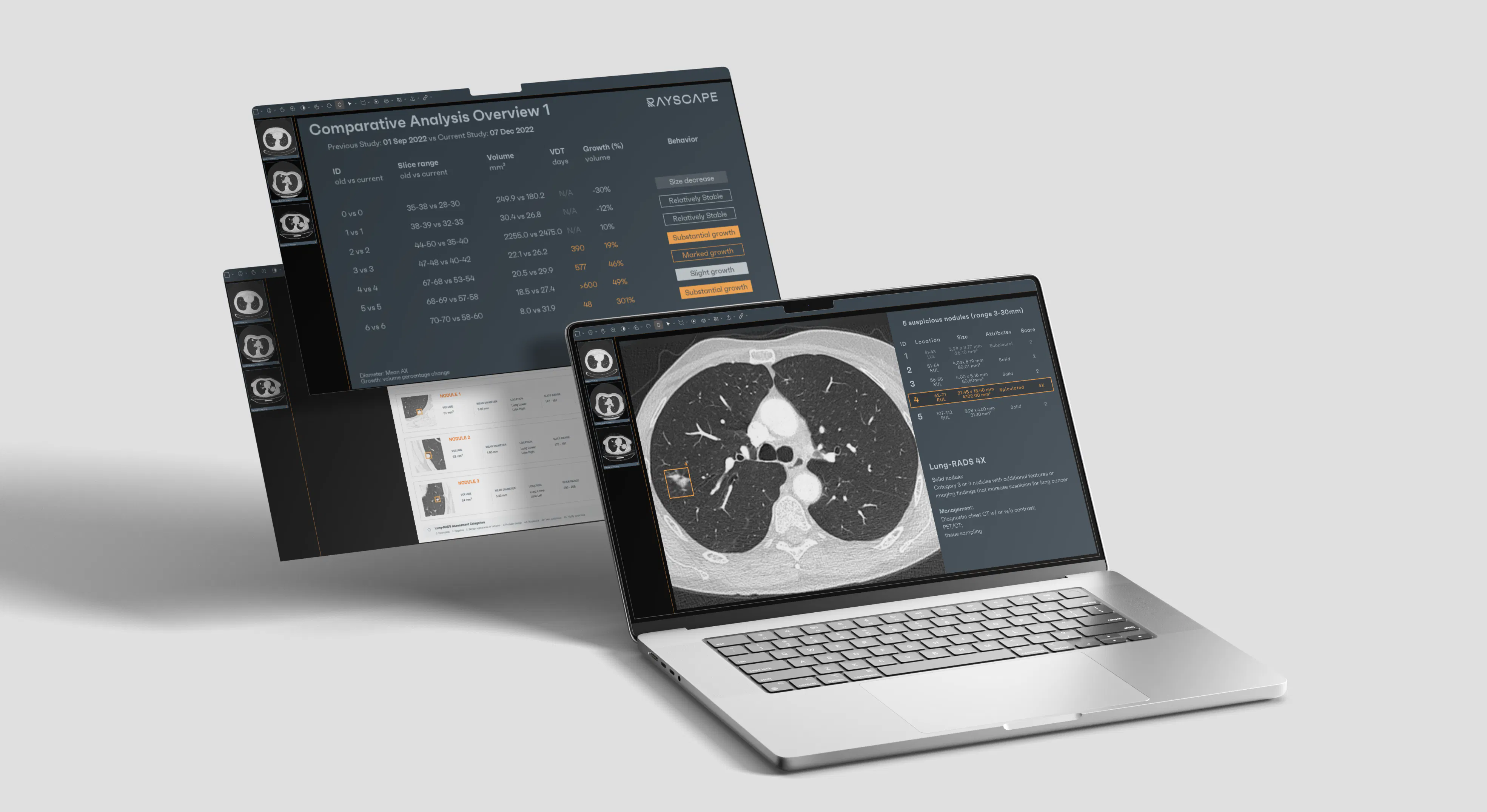

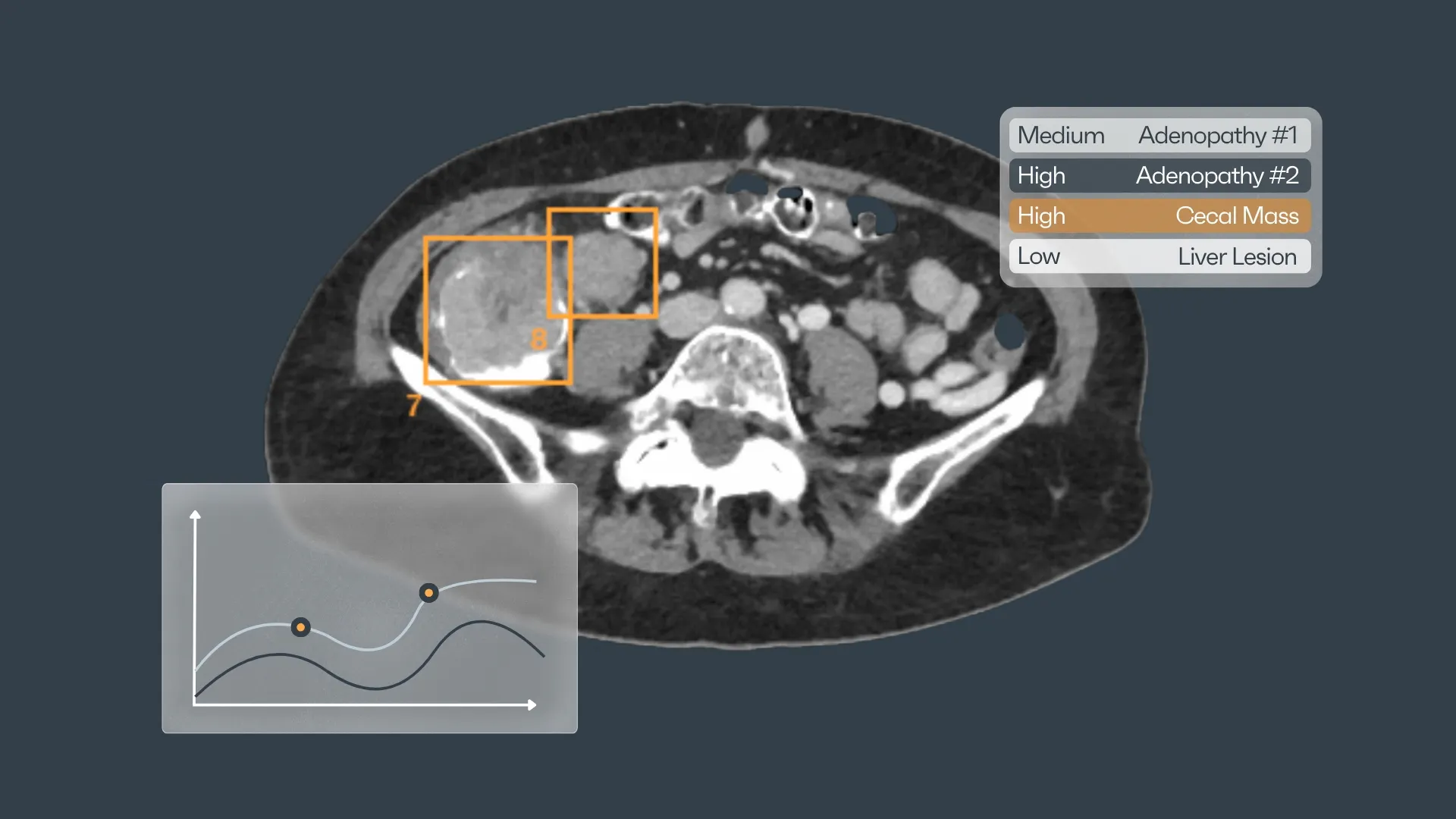

Discover how Rayscape works
integrate Rayscape AI into
your hospital's infrastructure
and improve both your
daily workflow and patients' experience.
