

AI-Enabled Lung Cancer Screening Program in Germany
Most people assume that a national lung cancer screening program begins with a single law, a single vote, or a single start date. That assumption feels clean. Linear. Logical.
But the German LDCT rollout for April 2026 did not emerge from a single decision. It emerged from an accumulation of legal permissions, policy endorsements, national evidence, and still-unresolved reimbursement mechanics that now sit on top of each other like geological layers.
If you are a radiology unit, a clinic manager, or someone planning operational participation, you are entering a regulatory ecosystem that quietly dictates feasibility, eligibility, workload, documentation, and ultimately financial sustainability long before the first scan is performed.
Let’s walk through how that ecosystem actually formed.
I — The legal foundation was built through radiation law, not screening policy
The legal basis for LDCT lung cancer screening in Germany was established on 1 July 2024 with the Lung Cancer Early-Detection Ordinance (LuKrFrühErkV). What is psychologically interesting is how cautious this first step was. The ordinance did not launch screening or define reimbursement.
Instead, it addressed a much more fundamental constraint: the legality of performing CT scans in asymptomatic individuals under radiation protection law. Authorities concluded that, in high-risk heavy smokers, the mortality benefit outweighs the radiation risk. That conclusion opened the legal door, but only under tightly controlled technical and organizational conditions, including:
- CT dose index ≤ 1.3 mGy
- Mandatory computer-assisted detection software
- Structured documentation and quality-assured workflows
- Long-term data storage
- Specialized physician training
- Mandatory diagnostic review with dual reading
From a systems perspective, this matters more than it appears. Germany first legalized the act of screening under radiation law, and only later embedded it into an organized cancer screening structure. That sequencing explains why technical discipline and documentation rigor are embedded so deeply into the program architecture.
II — The real policy shift occurred when LDCT entered the national screening directive
The decisive milestone arrived on 18 June 2025, when the Federal Joint Committee (G-BA) voted to include LDCT lung cancer screening for heavy smokers in the Krebsfrüherkennungs-Richtlinie (KFE-RL). Following approval by the Federal Ministry of Health, the directive entered into force on 5 September 2025, positioning LDCT as a structured national screening service intended for statutory health insurance coverage starting April 2026. This transition subtly changed the nature of screening.
Before: a legally permitted medical act. After: an organized, guideline-governed public health service. The KFE-RL also embeds a philosophy that becomes operationally relevant: informed participation over mass enrollment. Participation requires:
- Formal patient information leaflets
- Documented counselling
- Voluntary enrolment
- Transparent explanation of benefits and harms
The leaflet itself presents real-world outcome ranges, including approximately 12 early lung cancers detected per 1,000 participants, alongside a high number of abnormal but non-malignant findings and very low estimated radiation-induced cancer risk. This framing signals a policy culture focused on informed consent that happens together with an aggressive screening expansion.
Starting April 1, 2026, lung cancer screening for high-risk smokers will be formally integrated into Germany’s healthcare system through a structured reimbursement model defined by the Federal Joint Committee (G-BA) and supported by the National Association of Statutory Health Insurance Physicians (KBV). The framework centers on low-dose computed tomography (LDCT) as the primary modality for early detection and introduces extrabudgetary reimbursement, allowing these services to be funded outside the standard morbidity-adjusted total remuneration system.
Eight new services will be added to the Uniform Value Scale (EBM), under section 1.7.2 “Early detection of diseases in adults.” The model defines a clear division of responsibilities across specialties: general practitioners and internists are limited to consultation and reporting roles, while radiologists retain exclusive access to imaging, follow-up, second readings, and multidisciplinary review processes. Access to reimbursement is conditional on strict adherence to the Cancer Screening Guideline and Lung Cancer Screening Ordinance, as well as approval from the relevant Association of Statutory Health Insurance Physicians (KV), including certification in radiation diagnostics and proof of specialized knowledge—except for consultation and reporting services.
New billing codes for lung cancer screening
- GOP 01871
Low-dose computed tomography for early detection of lung cancer according to section D. III of the Cancer Screening Guideline
Value: 746 points / €95.04 - GOP 01872
Low-dose computed tomography for follow-up assessment within lung cancer screening, for findings requiring follow-up within 12 months
Value: 586 points / €74.66 - GOP 01875
Preparation of a report according to section D. III of the Cancer Screening Guideline
Value: 39 points / €4.97 - GOP 01876
Initial consultation for lung cancer screening according to section D. III of the Cancer Screening Guideline
Value: 87 points / €11.08 - GOP 01878
Initiation of a consultative second reading of low-dose CT for lung cancer screening
Value: 94 points / €11.98 - GOP 01879
Consultative second reading of low-dose CT for lung cancer screening
Value: 389 points / €49.56 - GOP 01880
Consultation of the patient in case of findings requiring further clarification
Value: 82 points / €10.45 - GOP 01881
Participation in a consensus conference on lung cancer screening
Value: 109 points / €13.89
Imaging, interpretation, validation, and clinical communication are separated into reimbursable units, each with defined ownership and value. The result is a controlled system designed to standardize screening at scale, where financial incentives reinforce protocol adherence and multidisciplinary decision-making.

III — German evidence shaped its design logic, maybe a bit too much
International trials such as the NLST and NELSON have already demonstrated mortality reduction.
That was never the central uncertainty.
The deeper question within German policy discussions was whether a nationwide LDCT program could function within real German clinical workflows without overwhelming radiology infrastructure or referral systems.
This is where the HANSE study becomes structurally important. The study functioned both as a theoretical validation and as an implementation rehearsal, with its design that mirrored real clinical logistics:
- ~13,000 individuals risk-stratified via questionnaires
- ~4,000 high-risk participants undergoing LDCT
- Conducted in certified German lung cancer centers (MHH, UKSH Lübeck, Grosshansdorf)
- Interdisciplinary evaluation involving radiology, pulmonology, and tumor boards
- Two LDCT scans, one year apart
- Multidisciplinary review of suspicious findings
For policymakers, this answered a practical question that RCTs cannot fully address: whether screening pathways, reporting workload, follow-up logistics, and interdisciplinary escalation can operate within routine care conditions.
IV — Risk stratification reveals the tension between simplicity and precision
The currently planned eligibility model follows simplified NELSON-style criteria based on age, smoking duration, and pack-years. However, the HANSE study evaluated the broader PLCOm2012 risk model, which incorporates additional variables such as COPD, BMI, education level, prior cancer, and family history.
The operational implications are not trivial.
The study detected 108 cancers using PLCOm2012 compared to 85 with NELSON-type criteria, representing roughly 19.4% more cancers with only a modest increase in the screened population (~6%). From a health system perspective, that signals a significant gain in screening efficiency. An especially relevant insight was the disproportionate impact on women, many of whom had meaningful risk profiles but did not meet strict pack-year thresholds. This exposes a structural limitation in current eligibility logic and explains ongoing expert discussions about future risk-score-based enrolment.
V — Eligibility and recruitment depend heavily on primary care behaviour
Current KFE-RL participation criteria include:
- Age 50–75
- ≥25 years of smoking history
- ≥15 pack-years
- Current smokers or those who quit <10 years ago
Medical suitability must be assessed by general practitioners or internists, who also provide counselling and documentation prior to referral. A less obvious but critical structural feature is the absence of a central invitation system.
Screening volume will therefore depend largely on primary care identification of high-risk individuals and accurate documentation of smoking history. This, unfortunately, creates a decentralized recruitment dynamic that clinics must actively support through referral networks rather than passive patient inflow.
VI — Organisational structure introduces measurable workflow complexity
Participation is tied to certification and qualification standards, including:
- Board-certified radiologist status
- ≥200 thoracic CT examinations in the previous year
- Certified training curricula aligned with national medical standards
- Defined annual LDCT case volume thresholds
- Additional training requirements if volume is not maintained
Furthermore, suspicious or control-worthy findings must undergo a second reading by a radiologist affiliated with a lung cancer centre, with joint management decisions. This dual-reading requirement increases coordination demands and necessitates formal cooperation agreements between private radiology practices and specialized centers. Notably, this mirrors the interdisciplinary workflow structure validated in the HANSE study, suggesting deliberate alignment between evidence and regulation.
VII — Technical standards institutionalise structured and AI-supported workflows
The ordinance explicitly mandates:
- Computer-assisted detection software
- Structured reporting frameworks
- Longitudinal documentation
- Incidental finding management
- Smoking cessation documentation
Follow-up pathways are standardised, with annual repeat CT for negative findings, shorter-interval imaging for intermediate results, and diagnostic work-up after dual reading for suspicious lesions. This level of protocolisation indicates a strong emphasis on reproducibility and longitudinal consistency in evaluation.
VIII — Policy documents openly acknowledge the harms
The IQWiG rapid review estimates a reduction of approximately five lung cancer deaths per 1,000 screened individuals (NNS ≈166).
At the same time, national policy documents explicitly recognise:
- False positives (1–15 per 1,000)
- Overdiagnosis (~6 per 1,000)
- Procedure-related complications (~17 per 1,000)
- A high prevalence of non-malignant abnormal findings (~182 per 1,000)
This transparent articulation of harms helps explain the structured and cautious rollout approach rather than a mass-screening model.
IX — The German LDCT program should be understood as a policy-in-motion system
The rollout follows a coherent developmental sequence: international mortality evidence, national feasibility validation through HANSE, regulatory inclusion via G-BA, and ongoing reimbursement formalization.
A crucial nuance is that the HANSE study itself is ongoing, with continued follow-up and biomarker exploration through 2026. This means the national program is being implemented while evidence refinement continues in parallel. Over time, this dynamic is likely to influence:
- Risk-score-based eligibility discussions
- Gender-sensitive inclusion criteria
- Adjustments for ex-smoker screening thresholds
- More refined reimbursement structures
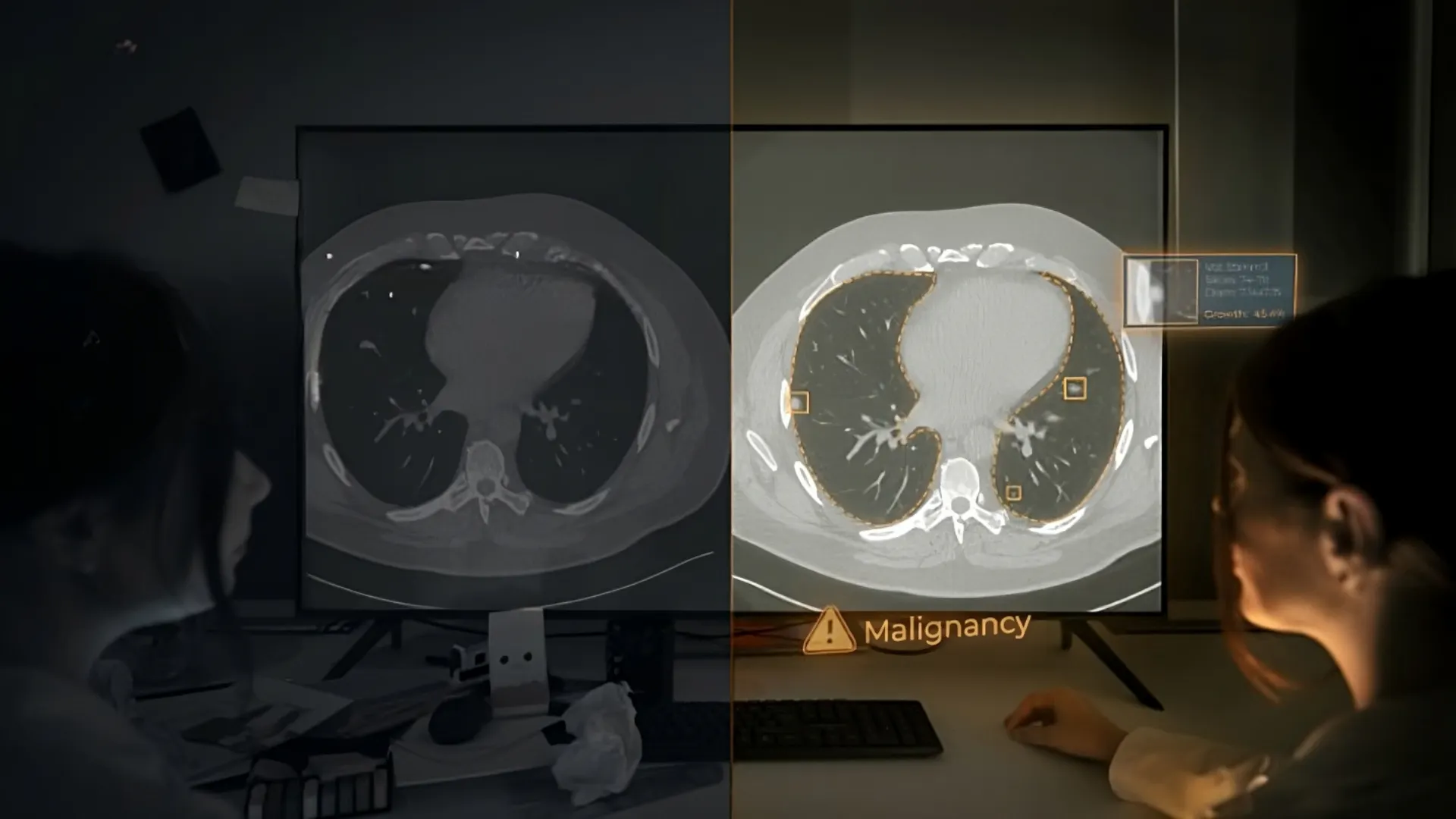
X — How to run the German LDCT program efficiently with an AI solution
If you are planning to run a lung cancer program, the question is no longer whether screening will happen. It is how efficiently your workflow can operate within these constraints.
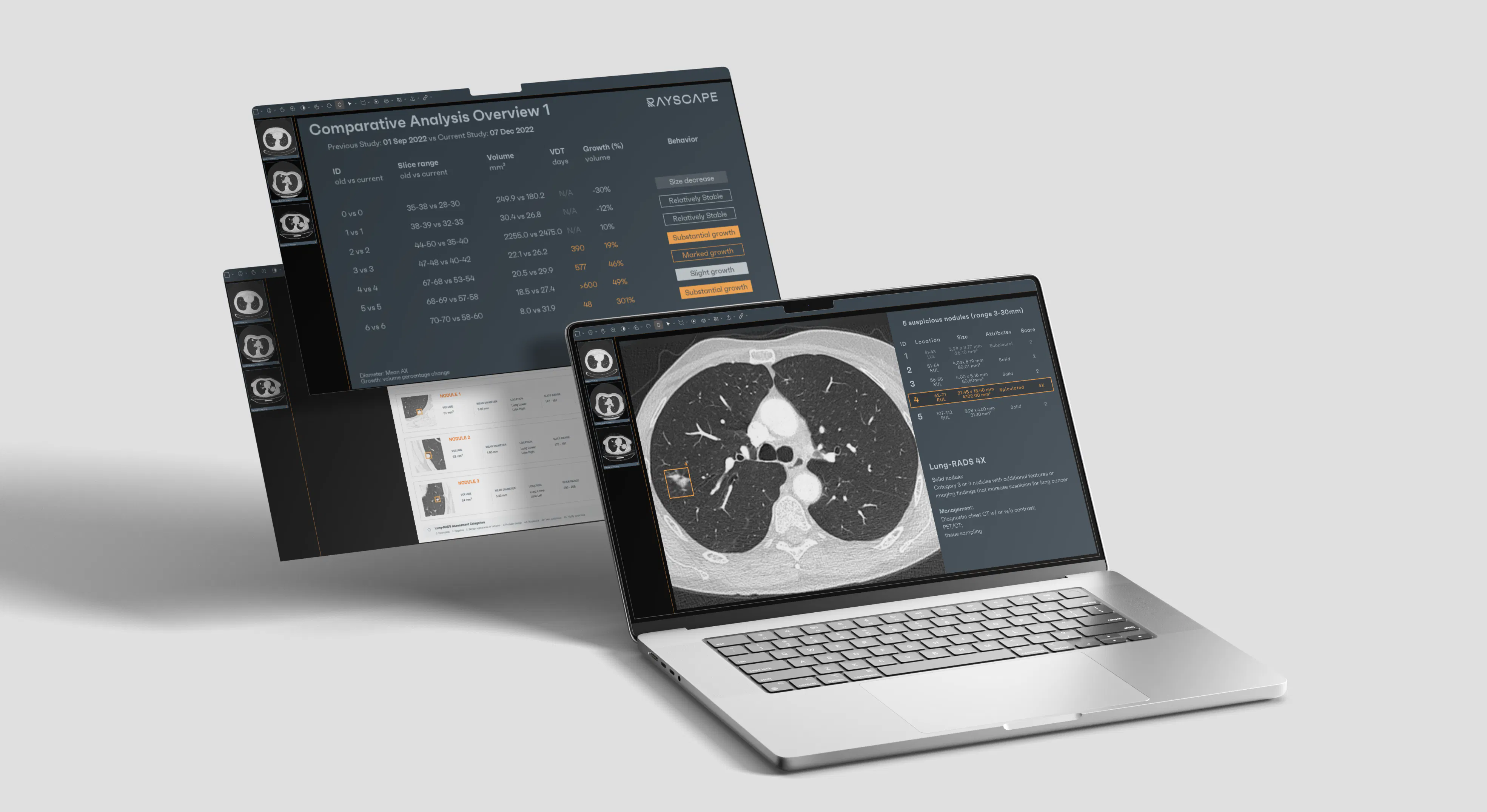
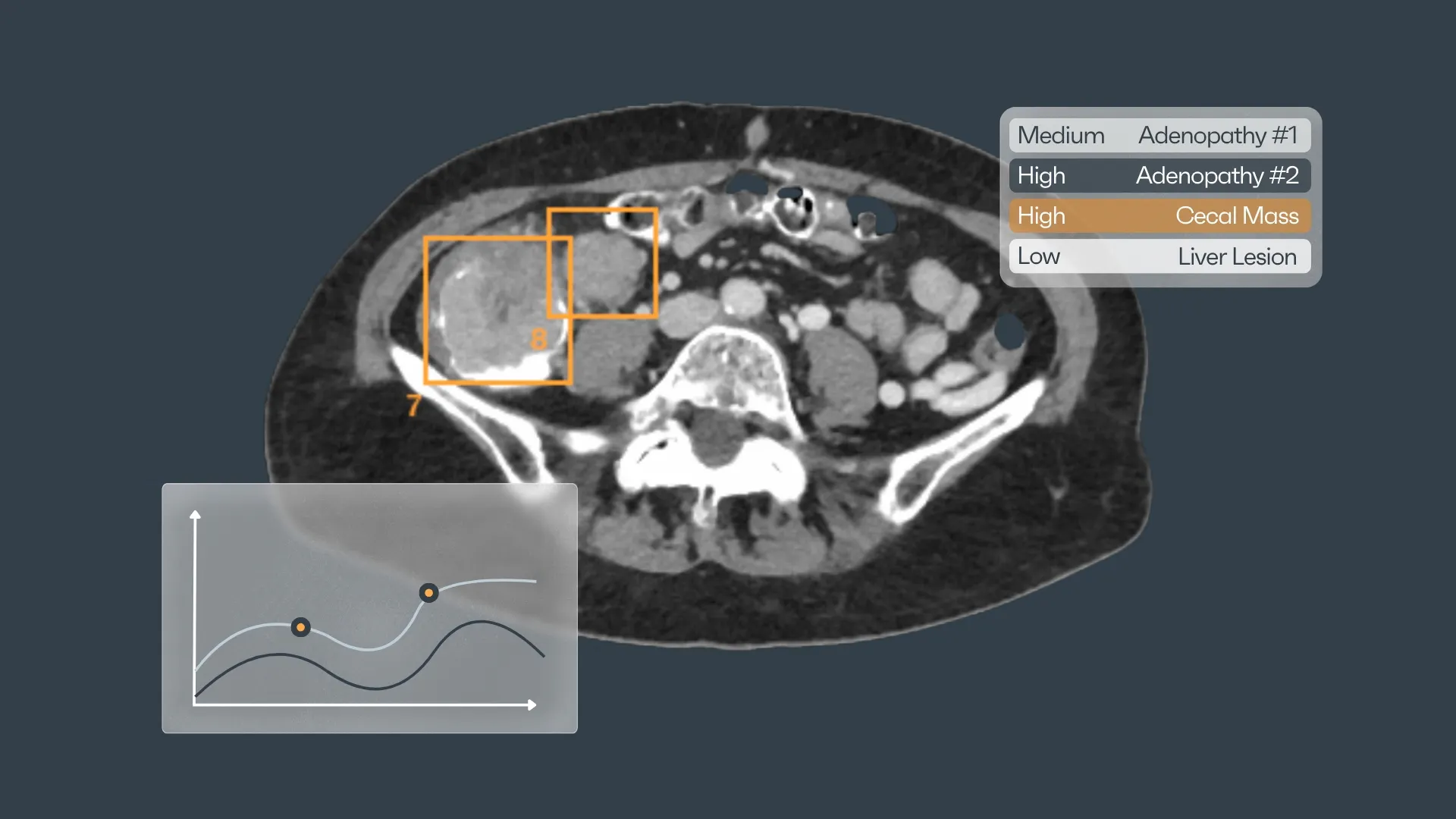
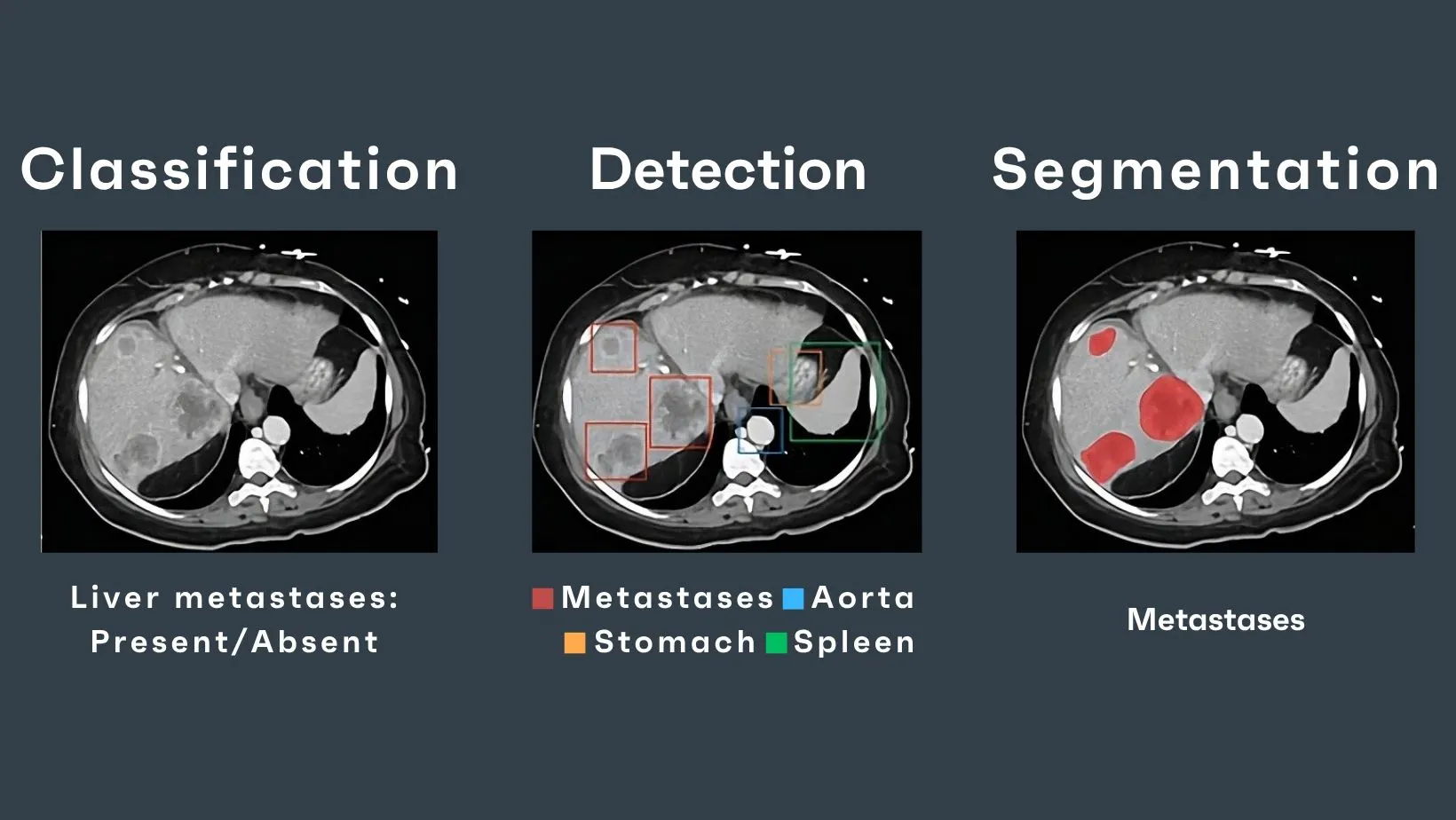
Rayscape provides AI-driven infrastructure designed for this exact environment—supporting detection, structured reporting, second reading workflows, and longitudinal follow-up within LDCT screening programs.
Contact us to access a trial and evaluate how our solution supports your lung cancer screening program with AI—integrating detection, workflow orchestration, and decision support into a single system aligned with real-world implementation.

Discover how Rayscape works
integrate Rayscape AI into
your hospital's infrastructure
and improve both your
daily workflow and patients' experience.
