

Radiology Jobs and Artificial Intelligence: Opportunities Ahead
Do you wonder if there will be a revolutionary shift in radiology careers? Prepare to be intrigued as AI takes the stage, opening doors to transformative job opportunities in the dynamic landscape of healthcare.
In the dynamic realm of healthcare, where innovation and human compassion intertwine, the emergence of artificial intelligence stands as a formidable ally to enhance the prowess of our esteemed healthcare professionals. Today, a groundbreaking narrative unfolds, driven by technological marvels that redefine the very fabric of the healthcare landscape. In this exhilarating journey, one field, in particular, radiology, has witnessed an unprecedented surge in the demand for imaging services, triggering a cascade of challenges, such as staffing shortages and the unfortunate affliction of burnout among our valiant radiologists.
But fear not, for amid the chaos, a remarkable silver lining emerges, heralding the dawn of a new era. An era where AI leaps forward to shoulder the burden, complementing and empowering our radiologists, as we unlock extraordinary possibilities for growth, efficiency, and well-being within the healthcare ecosystem. Join us as we delve into the fascinating realm of AI-augmented radiology, where the future intertwines with human ingenuity, and opportunities for transformative careers abound.
The Rise of AI in Radiology: A New Era Dawns
The implementation of Artificial Intelligence in radiology has the potential to consolidate the radiology workforce. The algorithms can process and analyze large volumes of medical imaging data more efficiently than humans, leading to faster and potentially more accurate diagnoses. This automation of certain tasks could result in a reduced need for a large number of radiologists solely focused on routine image interpretation. As AI becomes more integrated into radiology practices, the workforce may experience a shift towards a smaller but more specialized group of radiologists.
These radiologists would possess advanced skills and expertise that complement the capabilities of Artificial Intelligence systems. For example, radiologists with subspecialty training in areas such as neuroradiology, musculoskeletal radiology, or interventional radiology may continue to be in demand due to their specialized knowledge and ability to handle complex cases that require human judgment and intervention.
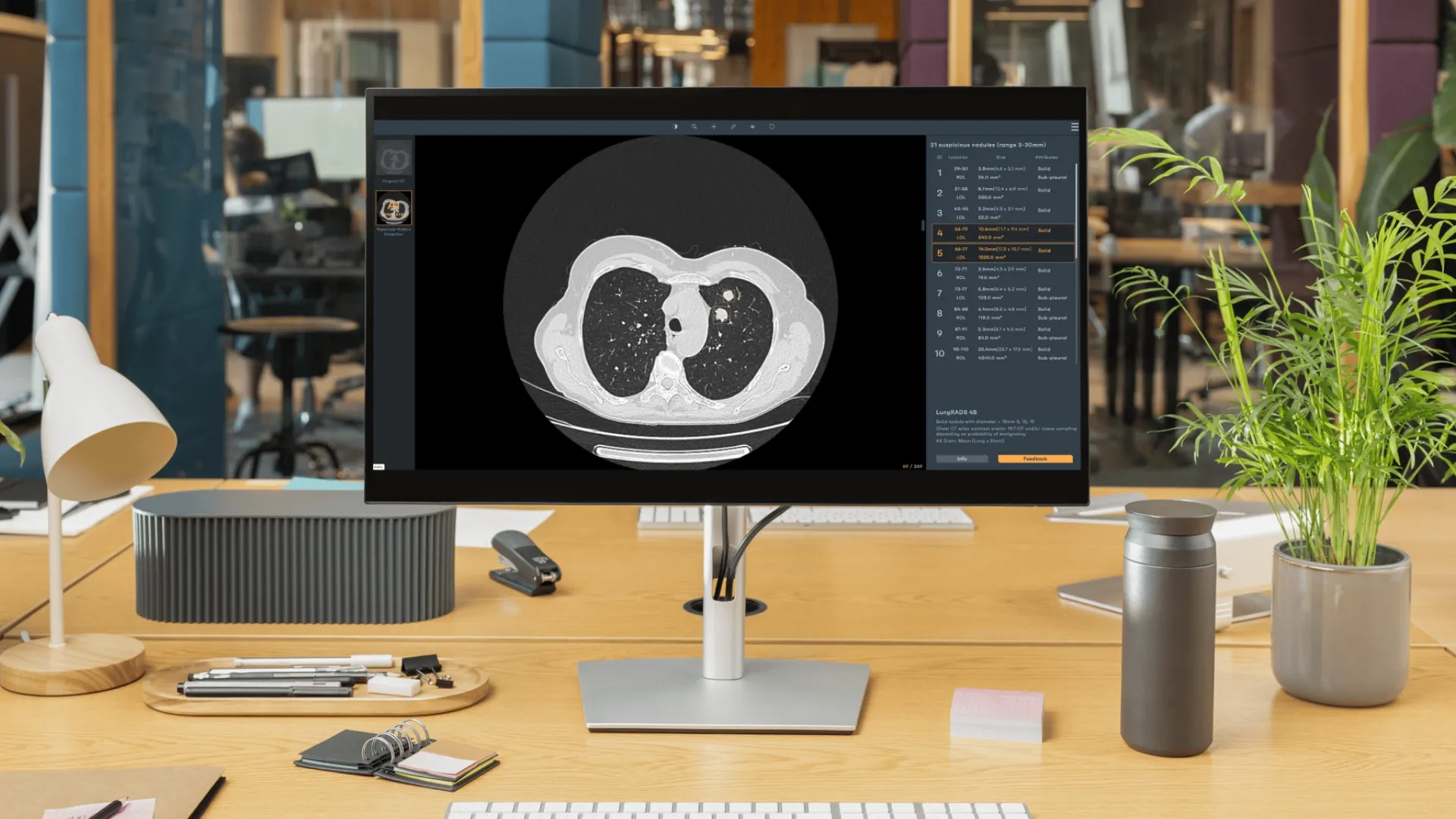
While it may automate certain tasks, it can also create new opportunities for radiologists to take on value-added roles. Radiologists will leverage software as decision support tools, using the insights generated by Artificial Intelligence to make more accurate diagnoses and treatment recommendations. This shift allows radiologists to focus on higher-level analysis and interpretation, applying their clinical expertise to cases that require complex decision-making or nuanced understanding.
Consolidating the Radiology Workforce
Radiologists who proactively develop skills in integrating it into their workflow, validating Artificial Intelligence algorithms, or utilizing it for research and innovation can position themselves for value-added roles. They can become experts in collaborating effectively with multiple systems, ensuring that the tools are properly calibrated, validated, and aligned with clinical needs. Radiologists who can effectively integrate AI into their practice and leverage its capabilities to enhance patient care can find themselves in demand for specialized roles that require a combination of clinical expertise and utilization.
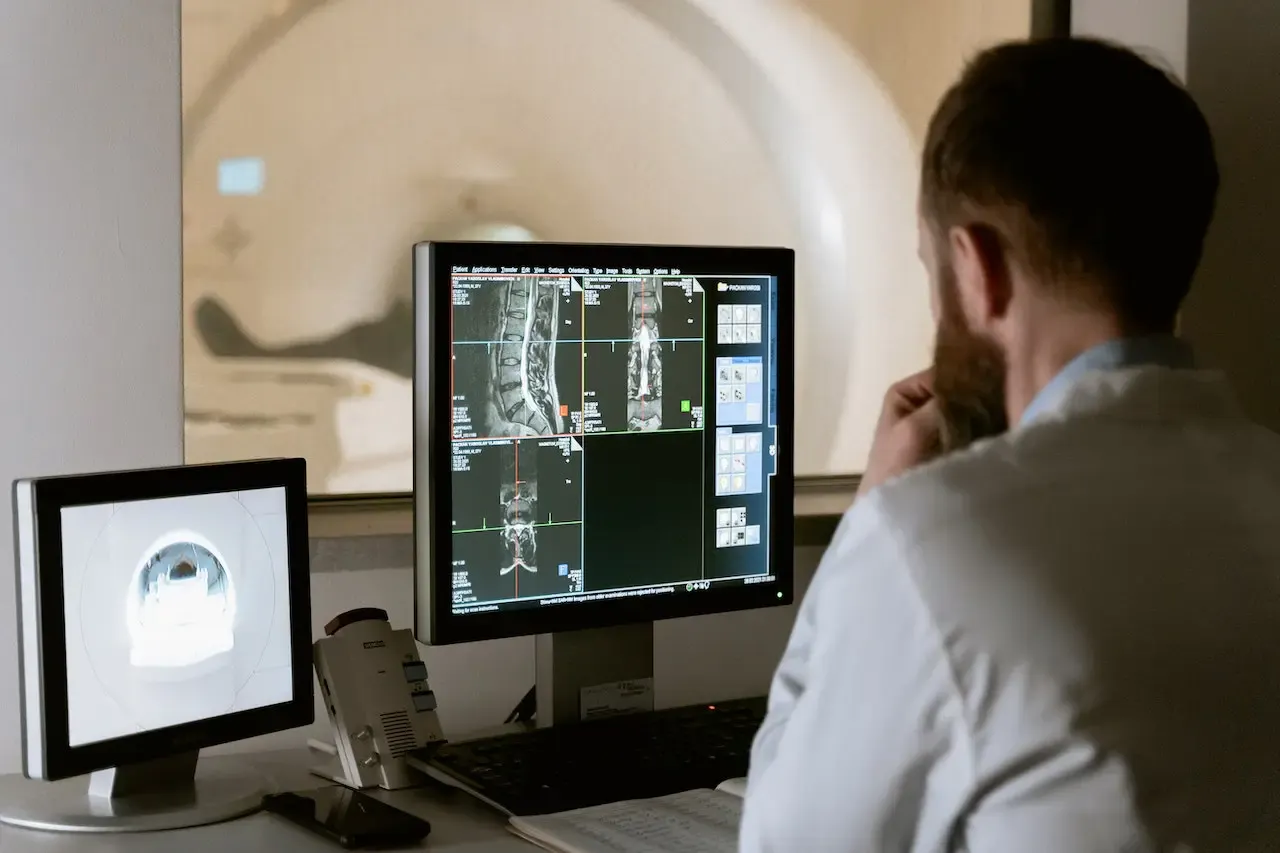
Radiology training and education must encompass multifaceted dimensions, delving into both the technical intricacies of AI algorithms and the profound impact they have on the radiology workflow and decision-making process. Radiologists must acquire a deep understanding of the underlying principles of AI, including machine learning, neural networks, and data analysis. Moreover, training should encompass practical applications, allowing radiologists to effectively integrate AI systems into their daily practice, validate algorithms, and ensure their alignment with clinical needs. By bridging the gap between AI theory and practical implementation, radiologists can confidently navigate the complex terrain of AI-augmented radiology, enhancing their skills and expertise.
Training Radiologists for AI-Augmented Practice
This is not what is happening in today’s practice. In 2022, a multisite epidemiologic study showed that a staggering 54% of radiologists acknowledged feeling the repercussions of burnout. Insufficient staffing levels in healthcare settings can significantly impact educational opportunities, particularly in the critical first two years after graduation. This crucial period is intended for new doctors to gain practical experience, receive valuable teaching, and benefit from supervision. However, the growing burden of service provision means that their time is overwhelmingly consumed by clinical duties, leaving limited room for learning and professional development.
This shortage of learning opportunities not only hampers their progress but also diminishes job satisfaction and increases the risk of burnout. Radiologists, in particular, find themselves isolated, without adequate supervision, and struggling to keep up with their workload, instead of receiving essential training on the wards or in clinics.
Training programs tailored to equip radiologists with the necessary knowledge and competencies to integrate Artificial Intelligence seamlessly into their practice are paramount. Continued professional development plays a pivotal role in ensuring radiologists' competence in leveraging AI technology. As AI evolves, radiologists must remain committed to ongoing education and training, adapting to emerging trends and advancements. Attending conferences, workshops, and seminars focused on AI in radiology provides invaluable opportunities for knowledge exchange, collaboration, and exposure to cutting-edge research. Radiologists must seize every chance to engage with AI developers, industry experts, and fellow professionals to share experiences, discuss challenges, and explore novel applications.
Within the realm of radiology, a vast amount of data has been generated by hospitals for years. Surprisingly, only a few percent of this valuable data is utilized for diagnosis and treatment. The remaining unused data can be accessed more effectively and affordably, with the help of Artificial Intelligence. Besides lost data, according to a 2014 study, radiologists and other physicians lose an average of 16.6% of their work time, roughly nine hours per week, on administrative tasks. For radiologists, this means diverting attention away from interpreting images and focusing on other non-clinical responsibilities.
In the dynamic realm of AI-augmented radiology, collaboration between radiologists and AI developers emerges as an indispensable partnership that drives innovation, fosters advancements, and propels the field to new heights. With the exponential growth of medical imaging data, the collaboration between these two domains becomes even more critical. Radiologists bring their wealth of clinical expertise, nuanced understanding of patient care, and insights derived from years of experience to the table, while AI developers contribute their technical prowess, algorithmic expertise, and innovative approaches to data analysis. Together, they form a powerful alliance that unleashes the true potential of AI in revolutionizing the field of radiology.
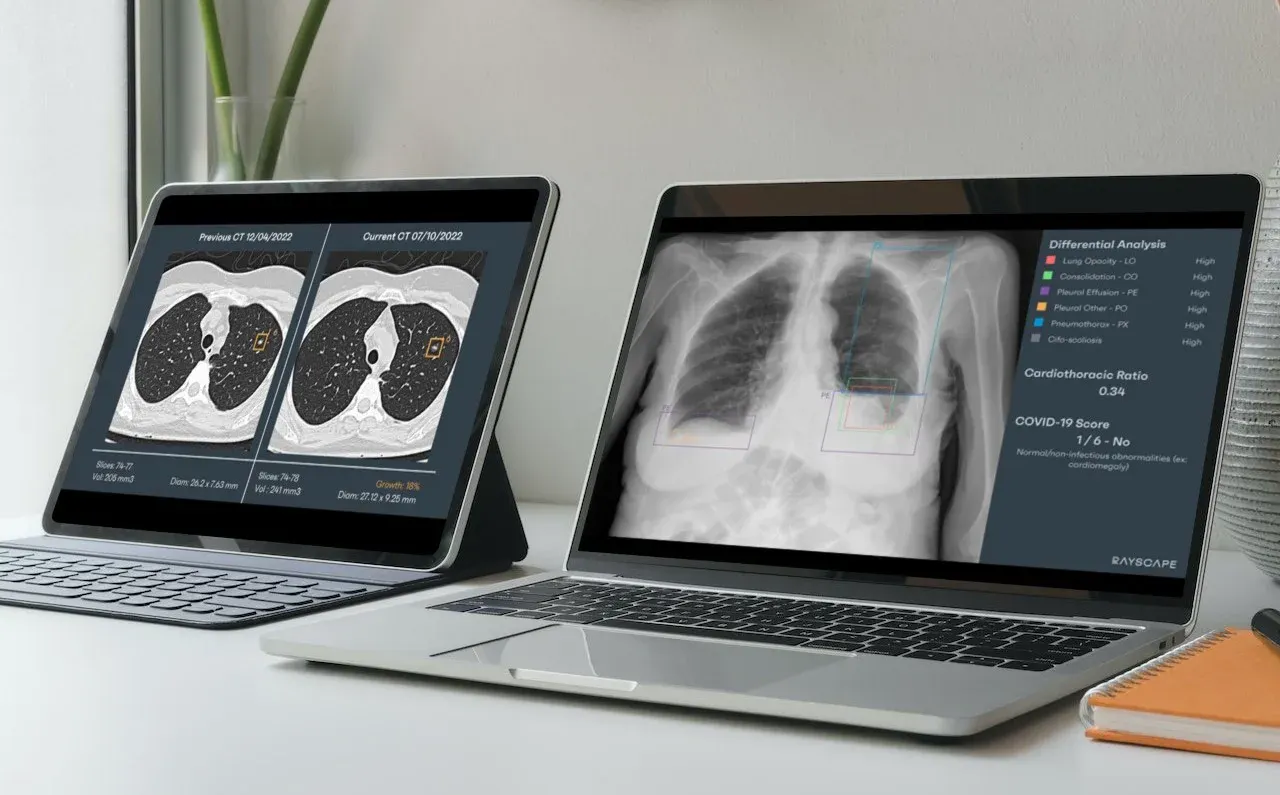
Beyond Training: Radiologists' Ongoing Role in AI Algorithm Validation
Radiologists, with their intricate understanding of medical imaging, play a vital role in collaborating with AI developers to train and fine-tune algorithms. The vast amount of data generated from medical imaging studies provide the foundation for AI systems to learn and make accurate predictions. Radiologists contribute their expertise in annotating and labeling the data, ensuring that it is of high quality, and providing the necessary clinical context for training the AI models.
Through this collaborative effort, radiologists help shape the development of AI algorithms, optimizing their performance and enhancing their clinical relevance. By working hand in hand with AI developers, radiologists ensure that the technology aligns with the unique challenges and complexities of the radiology field, ultimately benefiting patient care.
The collaboration between radiologists and AI developers extends beyond the initial training phase. Radiologists play a crucial role in validating and testing the performance of AI algorithms in real-world clinical settings. They provide feedback and insights to AI developers, highlighting areas where the algorithms excel and areas that require further refinement. This iterative process of collaboration and feedback allows AI algorithms to evolve and adapt to the evolving needs of radiologists and patients. Radiologists, with their deep understanding of clinical workflows and the intricate nuances of radiological interpretation, ensure that the AI systems are calibrated, validated, and aligned with the highest standards of quality and accuracy.
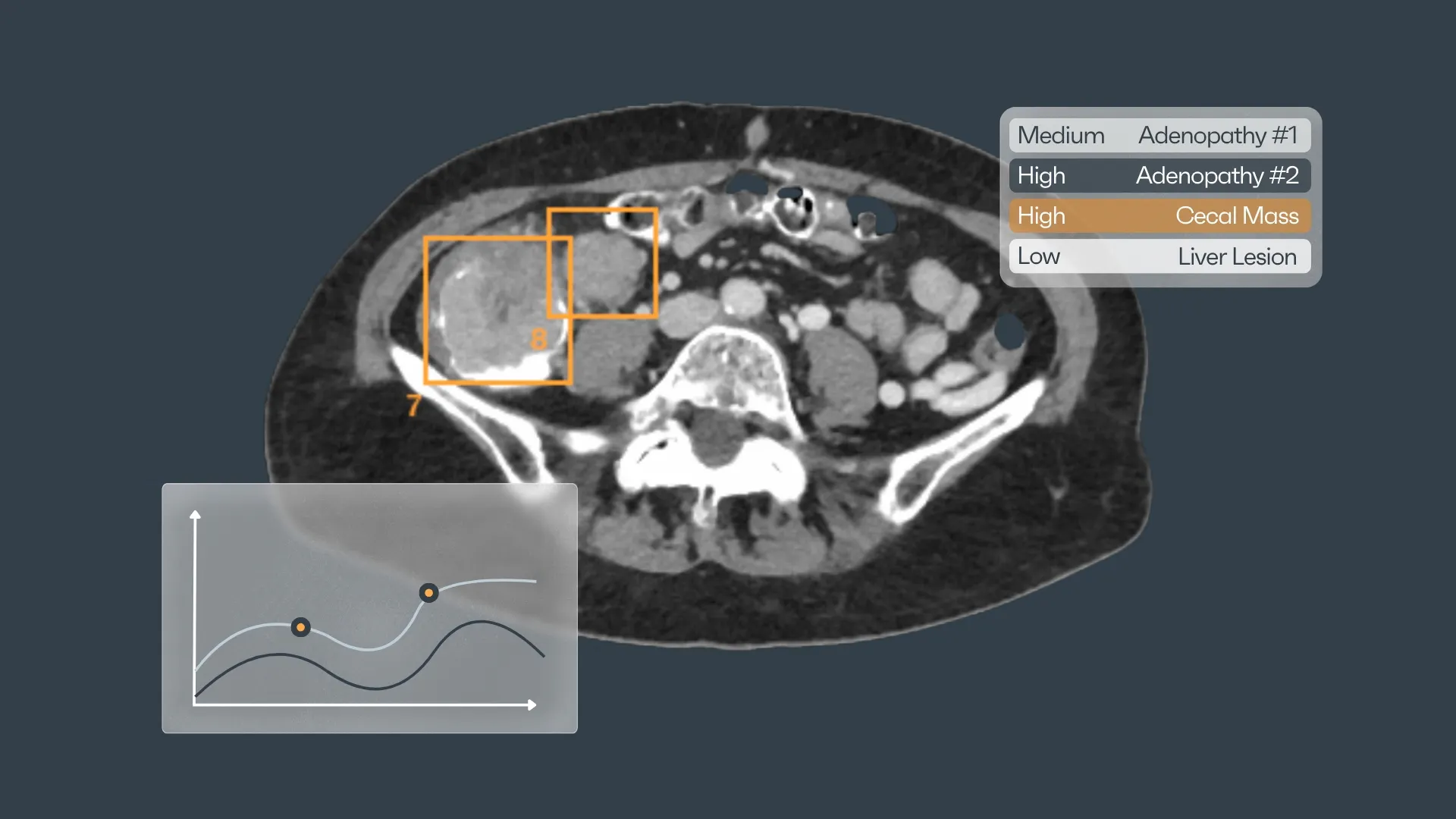
By automating administrative tasks, radiologists can reclaim their time and energy to concentrate on the aspects of their job that demand human expertise. This includes in-depth analysis of complex cases and taking proactive measures to enhance patient outcomes. Artificial Intelligence facilitates the creation of more precise imaging reports, empowering radiologists to make well-informed clinical decisions with confidence. By doing so, we enhance our ability to predict disease progression, anticipate patient responses, and adjust treatment plans to maximize effectiveness.
Jobs and Opportunities in AI-Augmented Radiology
For radiologists seeking job opportunities, the integration of Artificial Intelligence technology in radiology practices brings forth unique advantages in terms of market differentiation. As the healthcare industry continues to embrace AI, radiology practices that have incorporated Artificial Intelligence-assisted screenings and advanced image analysis stand out as innovative and forward-thinking organizations. By highlighting your experience and proficiency in this technology during the job search process, you position yourself as a sought-after candidate in a rapidly evolving field.
Employers in radiology are increasingly recognizing the value of AI in delivering faster and more accurate diagnoses, leading to improved patient outcomes. By showcasing your expertise in AI-assisted screenings, you demonstrate your ability to provide efficient and high-quality radiology services. Your knowledge of AI algorithms and their applications in image analysis differentiates you from other candidates who rely solely on traditional methods. This market differentiation factor can greatly enhance your chances of securing desirable job positions in radiology practices that prioritize innovation and the integration of AI.
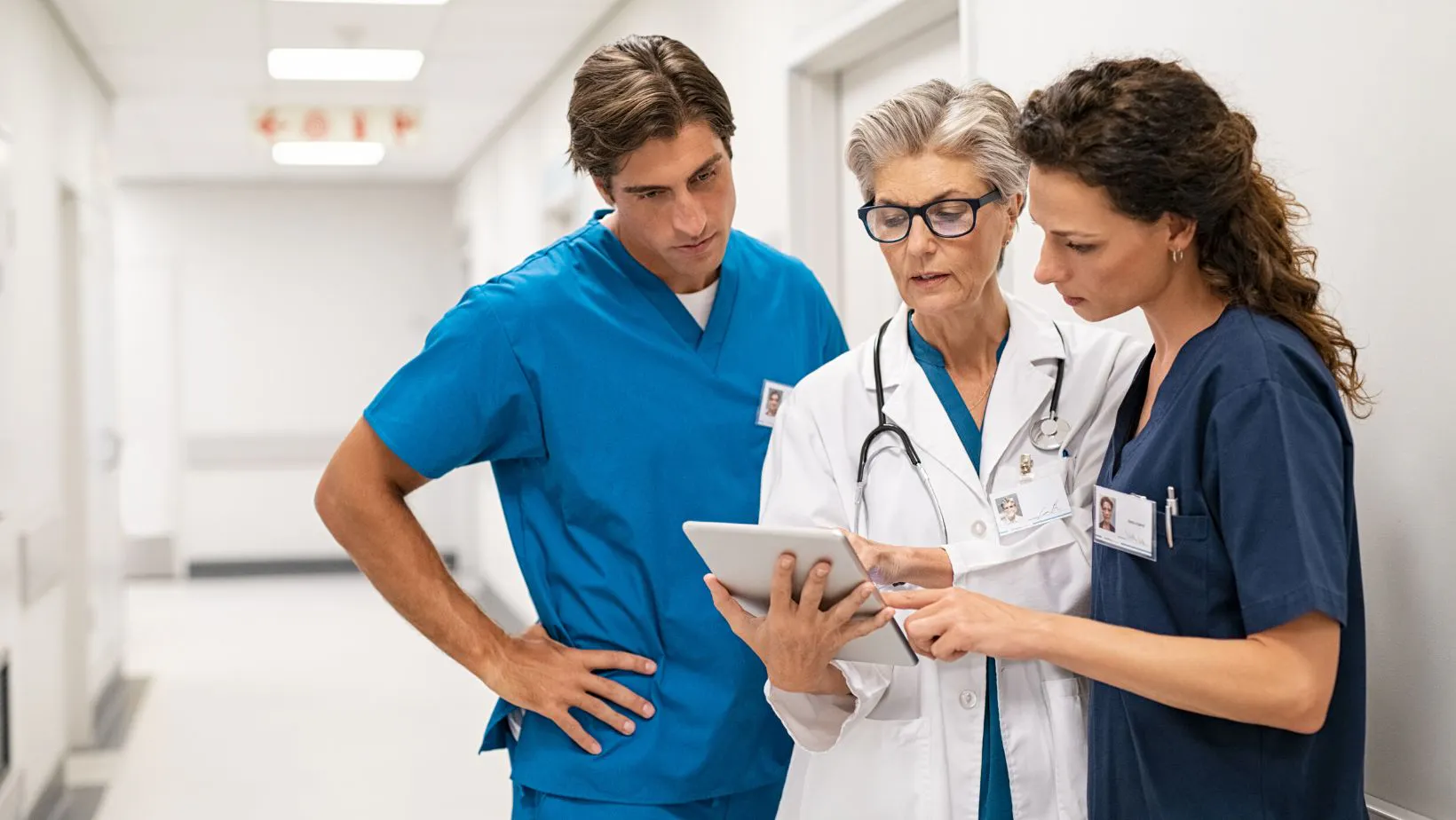
The integration of AI technology in radiology practices expands service offerings, leading to a more comprehensive patient care approach. Radiologists who possess the skills to leverage AI capabilities in areas such as image interpretation, tumor detection, and risk assessment open up new possibilities for their prospective employers. By showcasing your expertise in these AI-driven services, you demonstrate your ability to contribute to the expansion and diversification of service offerings within a radiology practice. This positions you as a valuable asset who can help the organization stay competitive in the market by delivering cutting-edge solutions.
In addition to market differentiation, radiologists with AI expertise are highly attractive to employers seeking top talent. The demand for skilled radiologists who can effectively utilize AI technology continues to rise. By showcasing your proficiency in integrating AI into radiology workflows, validating AI algorithms, or conducting research and innovation in the field, you position yourself as a candidate who can contribute to the organization's growth and success.
Your ability to collaborate effectively with AI systems and utilize them as decision-support tools demonstrate your adaptability to the evolving technological landscape of radiology. Employers looking to stay at the forefront of the field are actively seeking radiologists with AI expertise, making you a desirable candidate for job opportunities in leading radiology practices.
The practice of radiology continues to undergo transformation, from workload management to patient engagement. Amidst discussions surrounding the encroachment of technology, we firmly believe that technology can empower radiologists and unlock the true potential of precision care. We are committed to pioneering these advancements and ensuring that technology remains a valuable ally to radiologists, ultimately enhancing patient outcomes and experiences.
References:
- Woolhandler S, Himmelstein DU. Administrative work consumes one-sixth of U.S. physicians' working hours and lowers their career satisfaction. Int J Health Serv. 2014;44(4):635-42. doi: 10.2190/HS.44.4.a. PMID: 25626223.
- Jumping Through Hoops: Community Care Clinician and Staff Experiences Providing Primary Care to Rural Veterans.Patzel M, Barnes C, Ramalingam N, Gunn R, Kenzie ES, Ono SS, Davis MM.J Gen Intern Med. 2023 Jun 20. doi: 10.1007/s11606-023-08126-2.
- Time spent on documenting quality indicator data and associations between the perceived burden of documenting these data and joy in work among professionals in intensive care units in the Netherlands: a multicentre cross-sectional survey.Hesselink G, Verhage R, Hoiting O, Verweij E, Janssen I, Westerhof B, Ambaum G, van der Horst ICC, de Jong P, Postma N, van der Hoeven JG, Zegers M.BMJ Open. 2023 Mar 6;13(3):e062939. Structural equation modelling analysis on relationships of job demands and resources with work engagement, burnout and work ability: an observational study among physicians in Dutch hospitals.Debets M, Scheepers R, Silkens M, Lombarts K.BMJ Open. 2022 Dec 30;12(12):e062603.
- Baggett SM, Martin KL. Medscape radiologist lifestyle, happiness & burnout report 2022. Medscape. Available at: https://www.medscape.com/slideshow/2022-lifestyle-radiologist-6014784#1 . Published February 18, 2022.
- Canon CLK, Chick JFB, DeQuesada I, Gunderman RB, Hoven N, Prosper AE. Physician burnout in radiology: perspectives from the field. American Journal of Roentgenology. 2022;218(2):370-374.
- Higgins MCSS, Siddiqui AA, Kosowsky T, et al. Burnout, professional fulfillment, intention to leave, and sleep-related impairment among radiology trainees across the United States (US): a multisite epidemiologic study. Acad Radiol. 2022 Feb 28: S1076-6332(22)00105-2. doi: 10.1016/j.acra.2022.01.022.
- Diagnostic Imaging Staff. The reading room podcast: emerging trends in the radiology workforce. Available at: https://www.diagnosticimaging.com/view/the-reading-room-podcast-emerging-trends-in-the-radiology-workforce
- Kharat AT, Singhal S. A peek into the future of radiology using big data applications. Indian J Radiol Imaging. 2017 Apr-Jun;27(2):241-248. doi: 10.4103/ijri.IJRI_493_16.
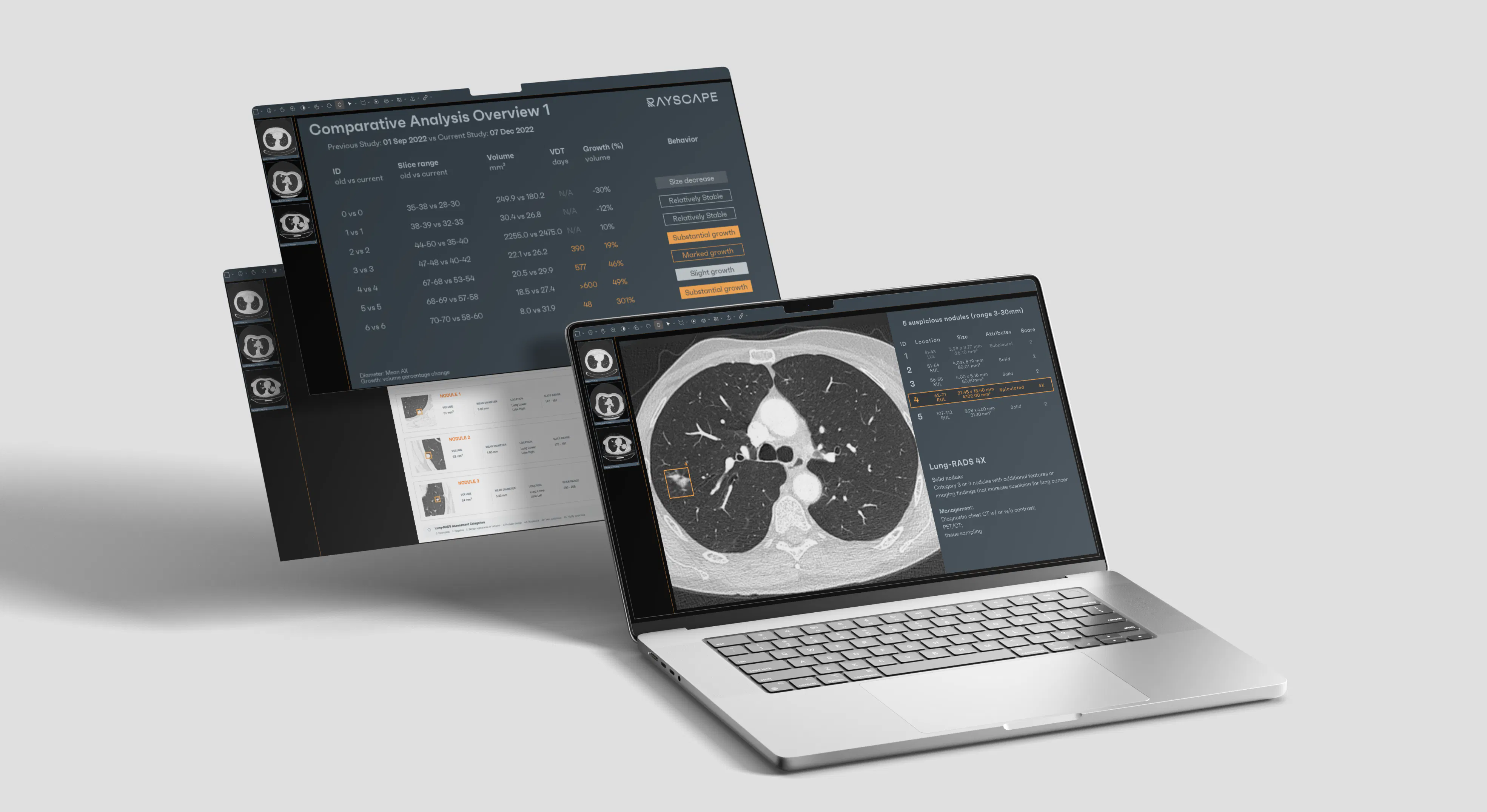
Discover how Rayscape works
integrate Rayscape AI into
your hospital's infrastructure
and improve both your
daily workflow and patients' experience.
