

Will AI Replace Radiologists in the Future?
Radiologists often face a significant misunderstanding that their role is solely confined to image analysis. This simplistic viewpoint belies the true complexity of their profession, as the field of Artificial Intelligence-powered radiology encompasses an extensive catalog of diagnoses.
The advent of AI-powered algorithms has undoubtedly been a major advancement in diagnosing common conditions, but they still fall short when compared to the multi-faceted assessments conducted by experienced radiologists. These medical experts possess the ability to simultaneously consider numerous potential ailments, a task that remains challenging for Artificial Intelligence systems to replicate fully.
In their daily practice, radiologists undertake a wide range of tasks that surpass the capabilities of current technological tools. They engage in direct patient care, utilizing modalities such as ultrasound, fluoroscopy, and biopsy to aid in diagnosis and treatment planning. Additionally, radiologists actively collaborate with other physicians in multi-disciplinary settings, participating in tumor boards and consultations to provide valuable insights into patient cases. Furthermore, they play a pivotal role in training the next generation of medical professionals and actively contribute to quality assurance through regular audits of imaging processes.
The Complementary Role of AI in Radiology
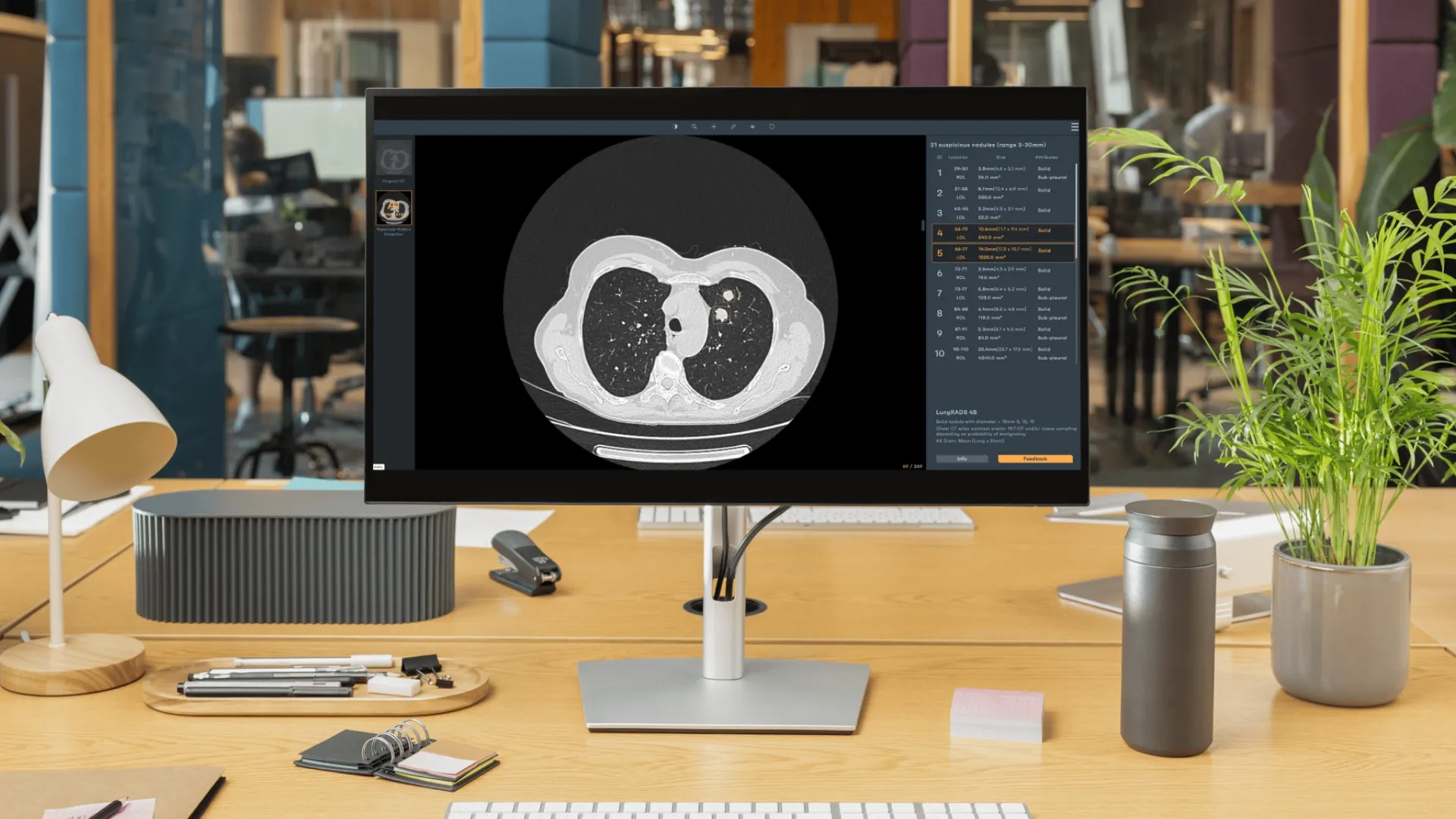
While Artificial Intelligence has shown promise in specific tasks, particularly in image recognition for identifying abnormalities like nodules on a chest CT scan, it cannot replace the comprehensive expertise of human radiologists. Artificial Intelligence may significantly enhance the diagnostic steps and perform more routine administrative functions like scheduling, but a complete end-to-end system that encompasses the entire diagnostic pathway with qualified human oversight remains essential.
The fusion of Artificial Intelligence's capabilities with the experience and judgment of skilled radiologists holds the potential to revolutionize the field, ensuring more accurate and efficient diagnoses for patients worldwide. The complete replacement of radiologists by Artificial Intelligence is unlikely in the foreseeable future.
As advanced digital health solutions continue to emerge, the demand for competent and qualified medical professionals will persist, whether the focus is on robotics, Artificial Intelligence, or other cutting-edge technologies. Consider, for instance, the remarkable da Vinci Surgical System, a surgical robot equipped with a magnified 3D high-definition vision system and precision instruments that surpass the capabilities of human hands. However, mastering the operation of this sophisticated robot requires extensive practice and training for surgeons.

Another notable example is IBM Watson, an exceptional program designed for oncologists, providing evidence-based treatment options. Despite its capabilities, the ultimate decision on treatment rests with doctors and their patients. Moreover, only physicians possess the expertise to evaluate whether the algorithm's suggestions prove useful or not. As medical challenges often involve intricate, multi-layered factors, algorithms and robots can furnish valuable data, but the critical task of interpretation will always reside with human professionals. The complexity of medical decision-making necessitates the insights, expertise, and empathy that only human caregivers can provide.
AI's impact on radiology can be likened to the integration of advanced navigation systems in ships navigating uncharted waters. As these cutting-edge systems emerged, many traditional navigational tasks that were once carried out manually, such as plotting routes and monitoring weather conditions, became automated. Navigators were now able to rely on Artificial Intelligence technology to handle routine tasks, freeing them to focus on more critical decisions. In case of unexpected obstacles or turbulent weather, the human navigator is ever-ready to take control and steer the ship safely.
This evolving relationship between humans and Artificial Intelligence will also mature in the field of radiology. The human element will gain more autonomy to address safety concerns or adapt to new and valuable input. It is essential to note that just as the introduction of navigation systems did not lead to a decrease in the number of navigators, Artificial Intelligence's integration will not replace radiologists but rather complement their expertise. The demand for skilled radiologists remains high, similar to the increased need for navigators in the maritime industry.
Artificial Intelligence's Impact on Radiology: Navigating the Challenges
Looking ahead, Artificial Intelligence will prove invaluable in helping human radiologists navigate the challenges posed by the pandemic. Swift detection and critical care provision are crucial in combating coronavirus-related mortality. The pandemic has created a bottleneck in radiology, leading to delays in non-urgent cases like mammography screening and cardiovascular imaging. Artificial Intelligence can play a pivotal role in streamlining processes post-COVID-19, enabling more efficient prioritization of cases and expediting crucial imaging procedures.
The shortage of dedicated radiologists globally underscores the significance of efficiency in the field of radiology. Artificial Intelligence's assistance can be instrumental in alerting radiologists to acute conditions promptly, thereby accelerating the diagnosis and treatment process. By optimizing workflow and providing timely insights, Artificial Intelligence will become an indispensable ally for human radiologists, ensuring that patients receive the attention they require without unnecessary delays, ultimately contributing to improved healthcare outcomes.
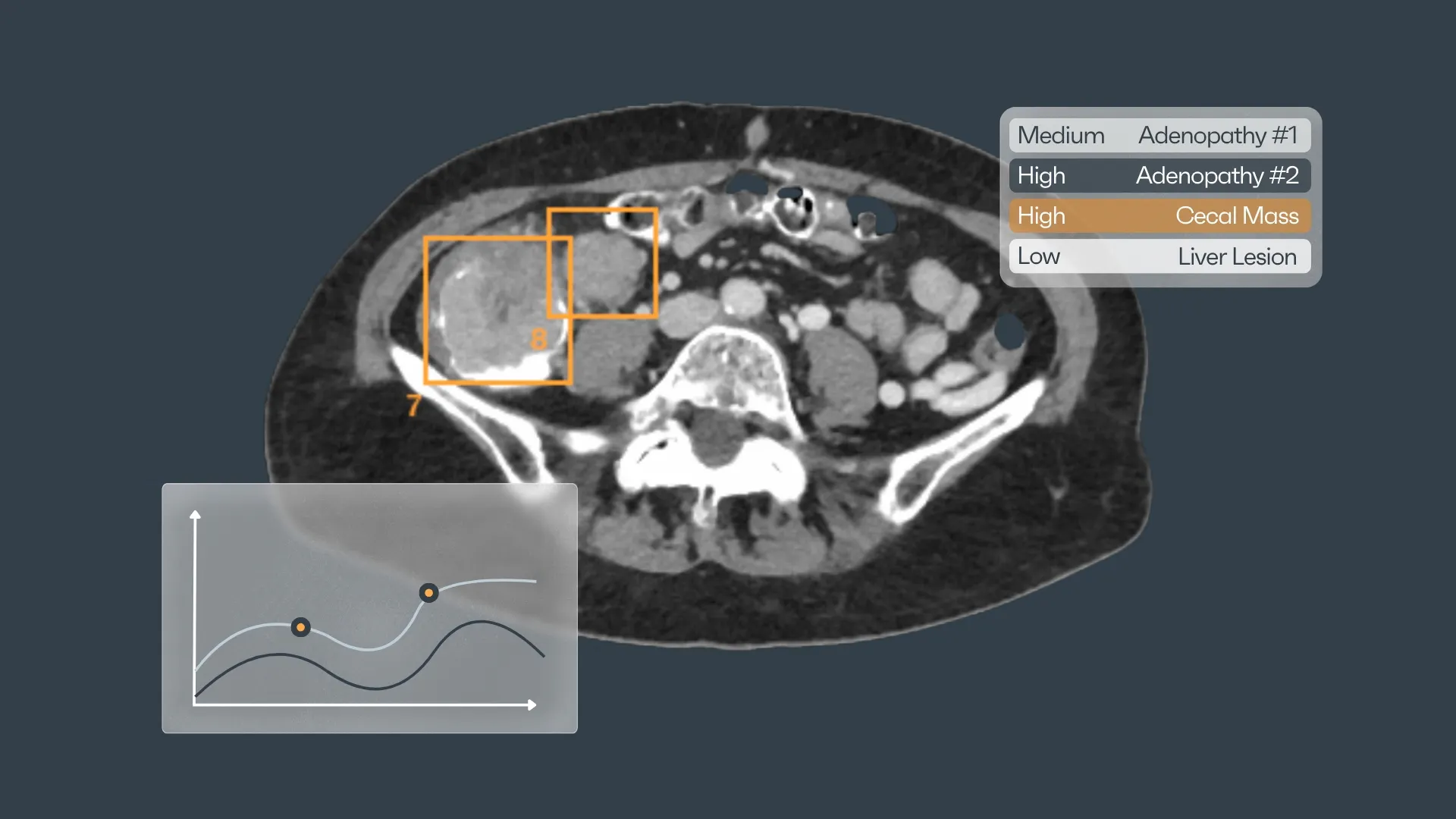
Exciting developments lie ahead as we witness a shift from reactive to proactive medical condition detection. With the aid of Artificial Intelligence, radiologists will not only focus on the specific ailment the patient seeks medical care for but also uncover previously undiagnosed or unknown conditions. This groundbreaking approach could lead to the identification of conditions like vertebral compression fractures or cardiovascular events. By detecting these issues early on, radiologists can administer appropriate treatments to patients at risk, such as those with osteoporosis, revolutionizing patient care.
Assistance in Streamlining Radiology Processes
The future also holds promise for Artificial Intelligence's ability to extract precise and reproducible data from medical images. This means leveraging specific pixel data to create innovative application tools and conduct extensive big data analytics. By combining this information with relevant data sources like genetic sequencing, a diagnostic power play emerges, moving beyond prevention to offer personalized therapeutics and tailored care.
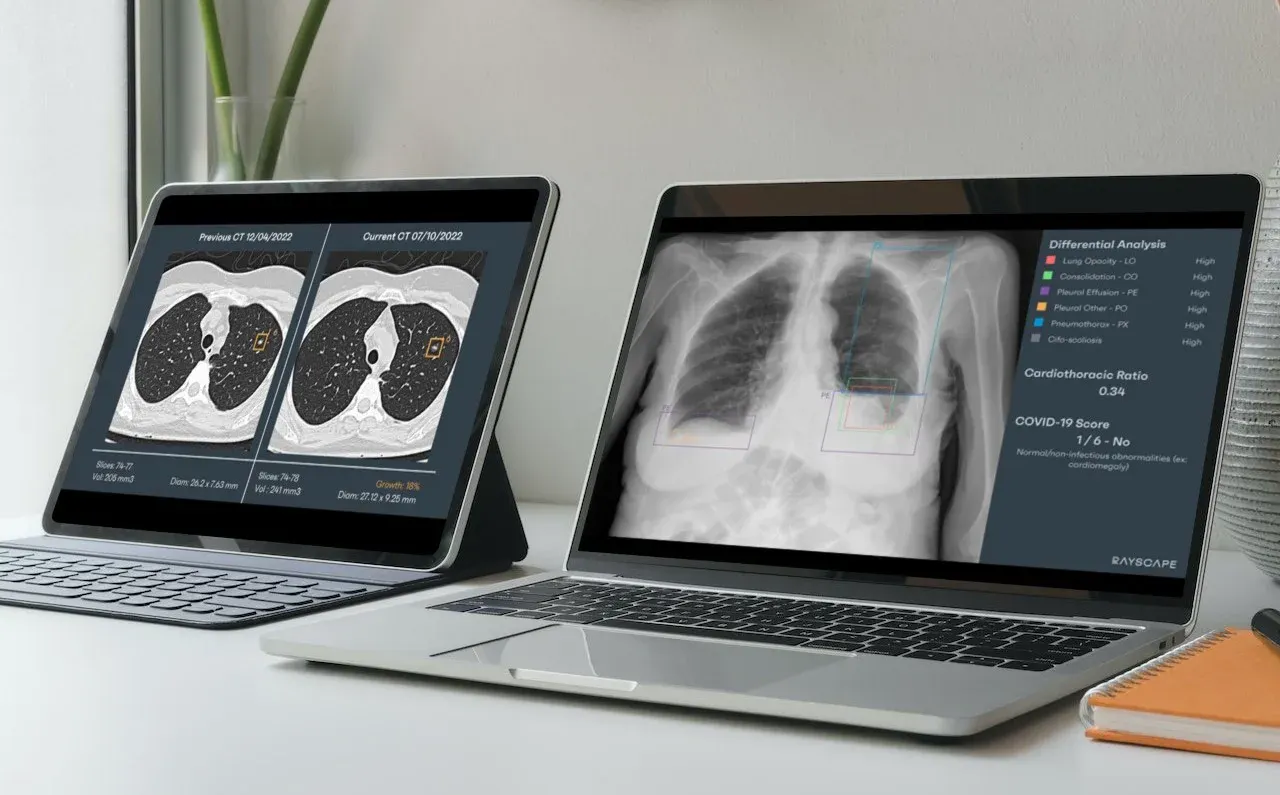
The prevailing notion of technology versus humans and the adversarial mindset must come to an end once and for all. It's crucial to recognize that technology is not our enemy; it is here to assist us. We are all part of the same team, and whether it's Artificial Intelligence, AR, VR, or robots, we must embrace the significant role that technology plays in shaping healthcare. By harnessing their capabilities, we can unlock a realm of possibilities. Just imagine the potential when we combine our problem-solving skills and creativity with the vast computing power and cognitive resources of Artificial Intelligence.
The ultimate answer lies in the collaboration between humans and technology. An illustrative example comes from a recent study that employed deep learning to identify metastatic breast cancer. The integration of the deep learning system's findings with the pathologist's diagnoses, tumor localization scores, and image classification resulted in a substantial improvement. Notably, the error rate for humans decreased by an impressive 85% through this collaboration. When humans and Artificial Intelligence work together, their combined strength becomes truly formidable.
Human-AI Partnership: Strengthening Healthcare Outcomes
The prevailing belief is that technology will enhance the efficiency of medical professionals, reduce the likelihood of errors and mistakes, and create a more seamless healthcare system. Rather than fearing Artificial Intelligence's dominance in healthcare, we should consider a more optimistic perspective for the future, where Artificial Intelligence becomes a valuable partner in advancing medical care.
As computer technology advances, the potential for development might be underestimated, yet radiologists will be at the forefront of embracing these changes. As Artificial Intelligence takes over laborious and time-consuming tasks in radiology, it will generate unforeseen outcomes that could fuel new medical discoveries. The impact of Artificial Intelligence will not only reshape radiology but also foster growth across various medical fields and research domains.
Radiologists will not be replaced; instead, they will witness a transformation in their roles and experience an improvement in the quality of patient care by embracing AI and adapting to the evolving landscape. The field of radiology will thrive with the assistance of AI, opening up new horizons and possibilities for the future.
AI Radiology in 2023
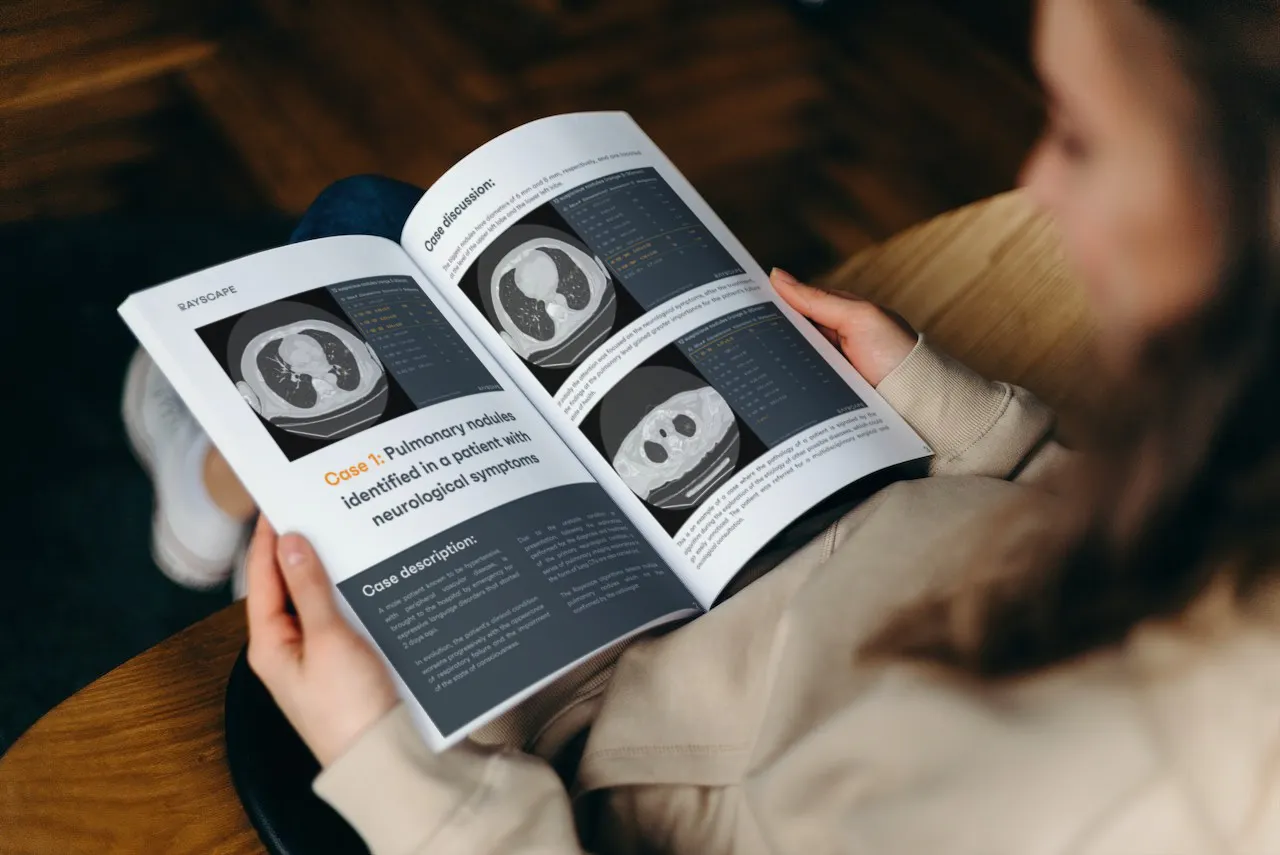
The advantages of this technology are vast, but how does it translate to real-world impact? Let's delve into a concrete example of how the Rayscape software is revolutionizing the medical field. You can read more clinical cases, by clicking HERE. Take the case of a male patient rushed to the hospital with expressive language disorders and respiratory issues. Through lung CTs analyzed by Rayscape algorithms, multiple pulmonary nodules were detected, with the largest ones measuring 6mm and 8mm in the upper and lower left lobes. While neurological symptoms initially drew attention, the significance of the pulmonary findings became crucial for the patient's future well-being.
This real-life scenario exemplifies how radiology AI can play a vital role in identifying pathologies that might have otherwise gone unnoticed. The technology's capability to analyze images in real-time and identify patterns and anomalies imperceptible to the human eye proves invaluable in enhancing diagnostic accuracy.
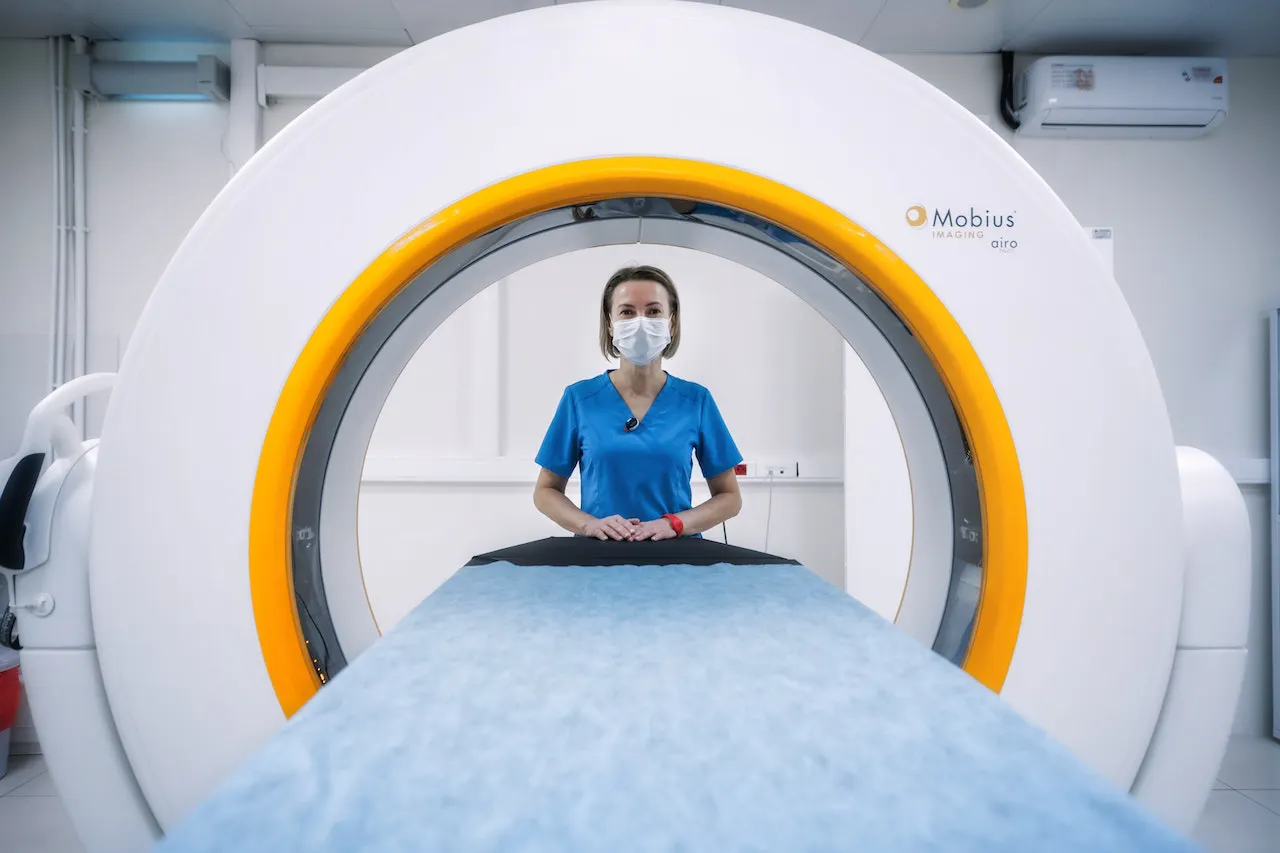
Looking ahead to 2023 and beyond, the integration of artificial intelligence in radiology promises continued exponential growth. Advancements in advanced algorithms, enhanced computer vision technologies, and better data management solutions will reshape the field. As AI continues to evolve, the opportunities for improving patient outcomes and streamlining imaging data will expand significantly.
However, several challenges and limitations require addressing to unlock the full potential of AI in radiology. Ensuring data privacy and security, navigating complex regulatory frameworks, and achieving standardized implementation across various settings are among the crucial hurdles that demand attention. By overcoming these obstacles, we can harness the true transformative power of AI in radiology and redefine the way medical professionals work, leading to better healthcare outcomes for patients.
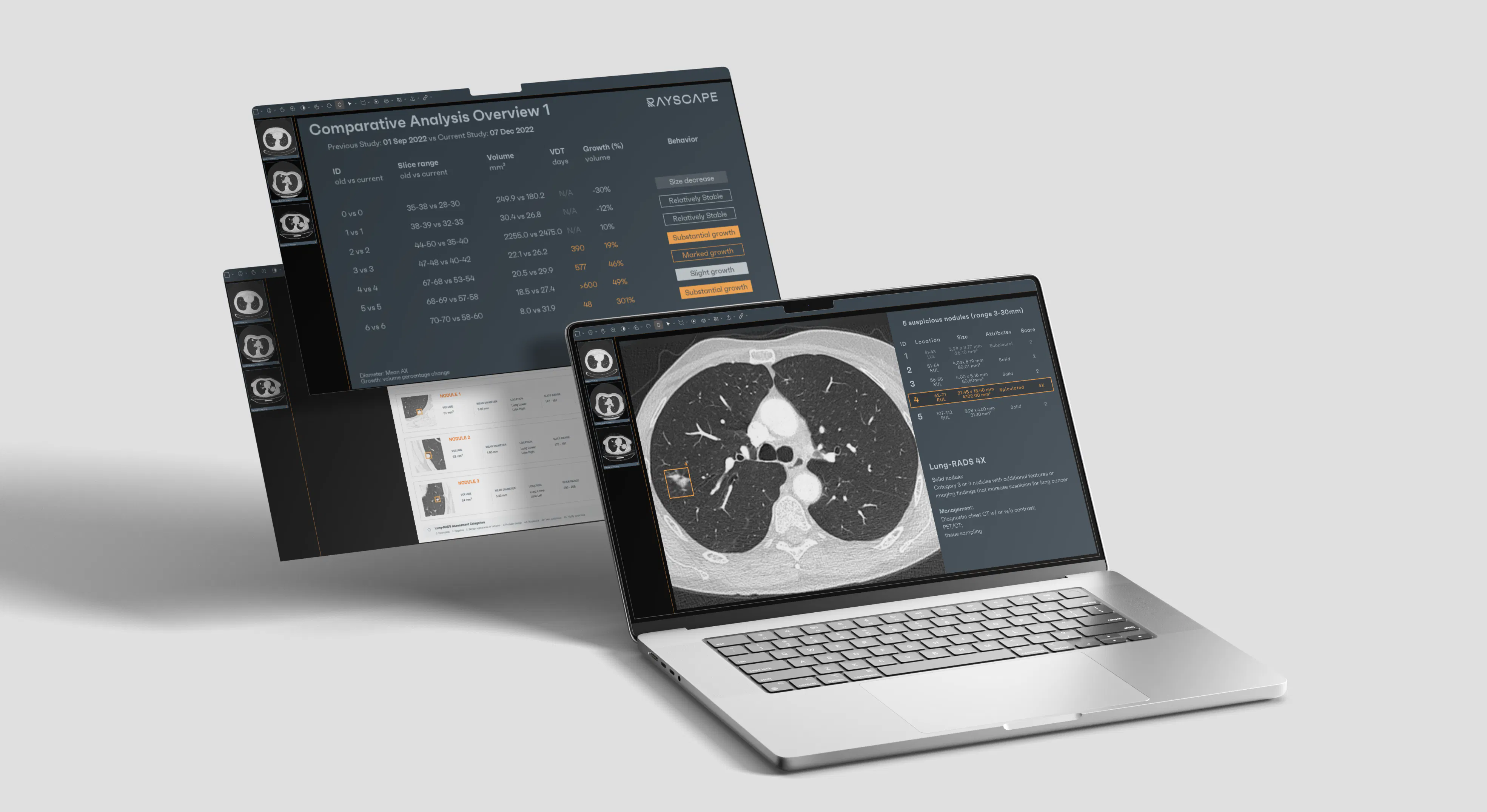
Discover how Rayscape works
integrate Rayscape AI into
your hospital's infrastructure
and improve both your
daily workflow and patients' experience.
