

AI for Tuberculosis Diagnosis: Revolutionizing Radiology in Tanzania
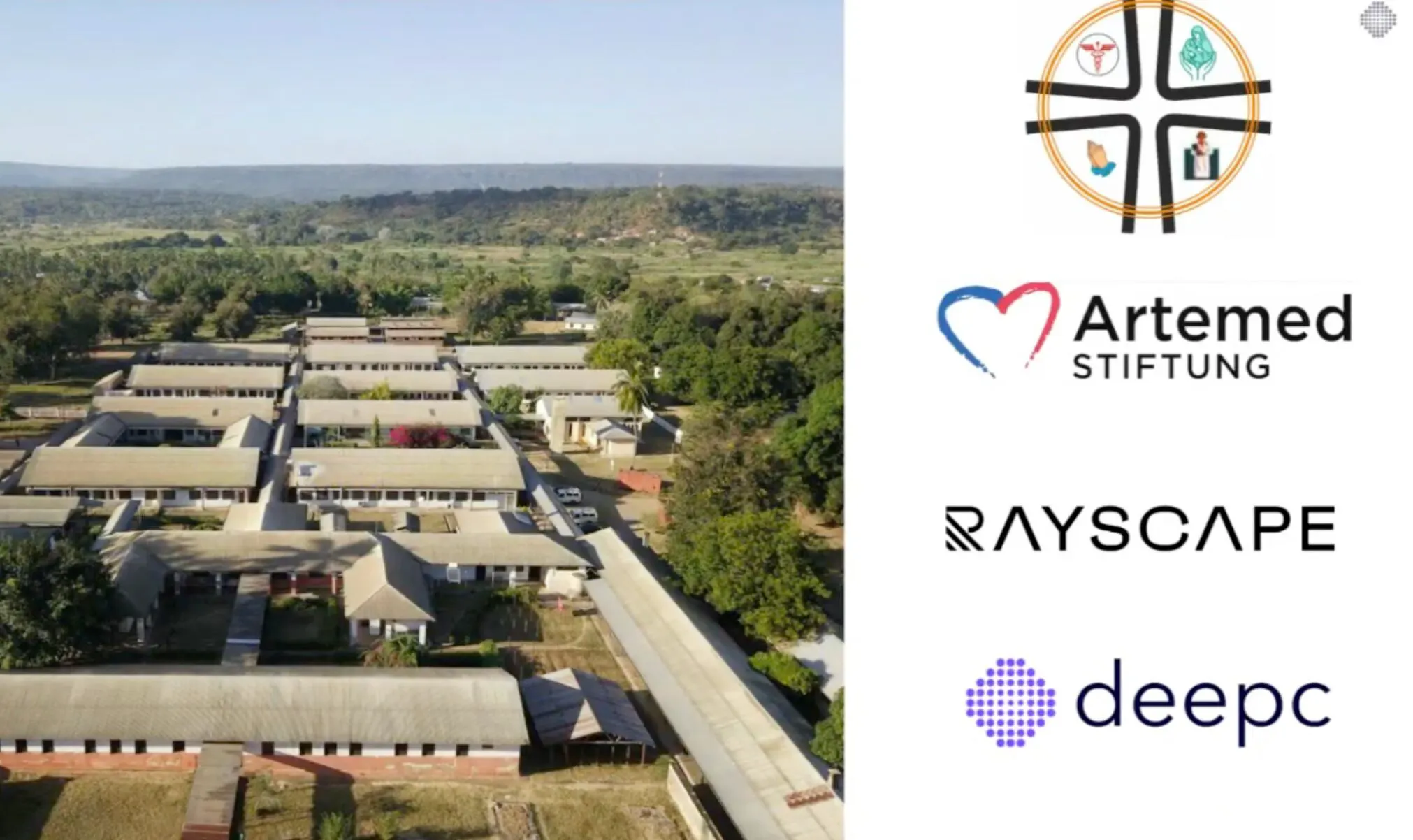
Tuberculosis (TB) remains one of the deadliest infectious diseases worldwide, especially in regions like rural Tanzania, where access to specialized healthcare is limited. In such areas, diagnosing and treating TB in its early stages can be incredibly challenging. St. Walburg’s Hospital in Nyangao, a small town in southeastern Tanzania, faced these very issues. The hospital’s outdated and malfunctioning X-ray equipment, combined with a severe shortage of radiologists, made it impossible to detect TB and other critical conditions in time.
Introduction: A Pressing Healthcare Challenge in Tanzania
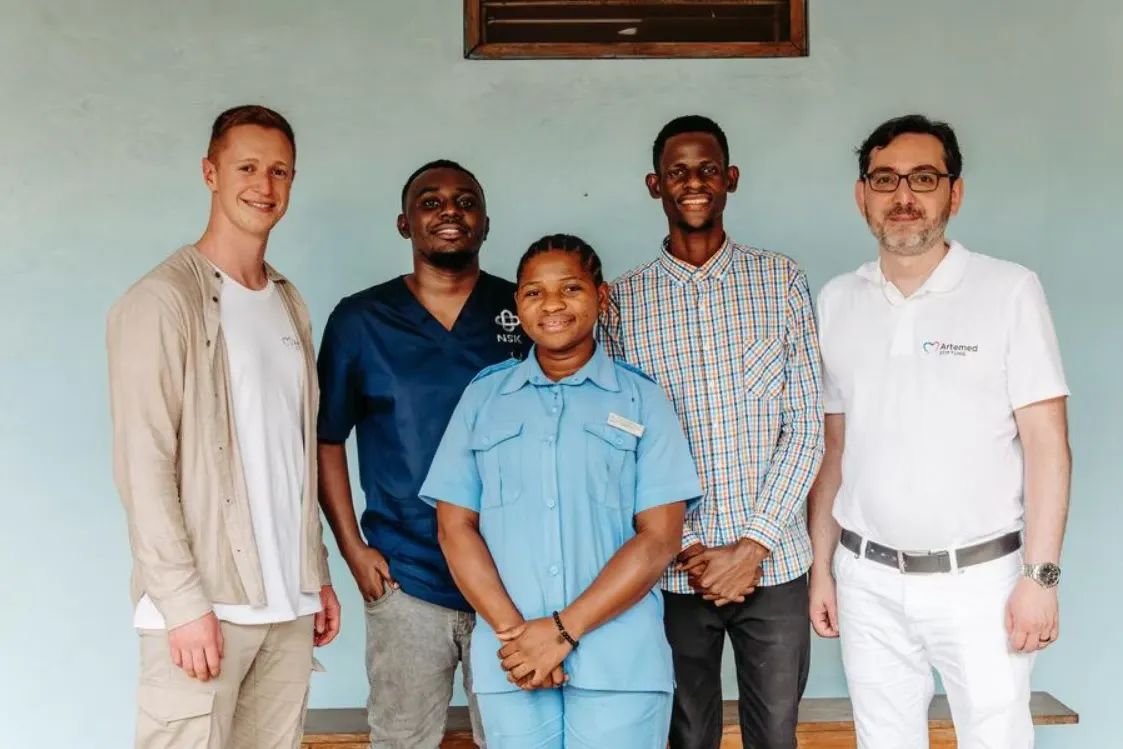
When Dr. Amir H. Bigdeli, visited Nyangao in 2019, he witnessed the struggles of the medical staff firsthand. The hospital's reliance on an ancient analog X-ray machine, which had long passed its prime, was a glaring issue. Without a radiologist to interpret the images, diseases like TB, which often show up as subtle signs in chest X-rays, went undetected.
The Need for Scalable Diagnostic Support
Dr. Bigdeli quickly realized that sending radiologists to Tanzania for short-term assignments wouldn’t provide a lasting solution. What the region needed was a scalable, sustainable approach to diagnostic support. This is when the idea of using Artificial Intelligence (AI) came into focus. While AI is often employed in Western healthcare systems to boost efficiency, it could play a transformative role in underserved regions by providing a "virtual expert" for diagnosing complex conditions like TB.
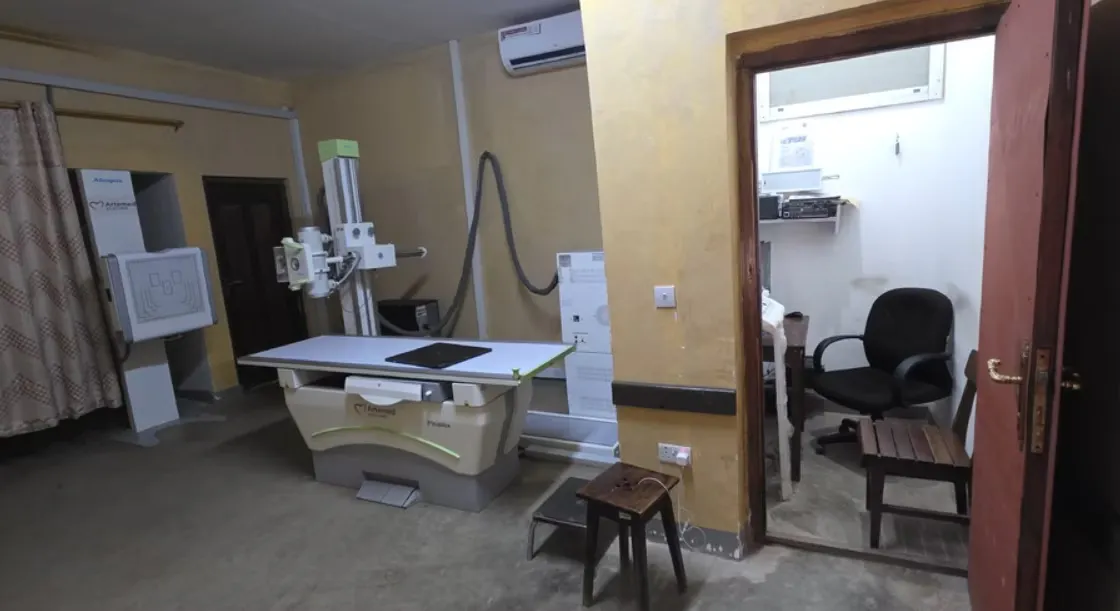
After discussing the challenges and possible solutions with colleagues, we partnered with Dr. Bigdeli, Artemed Foundation and deepc, a Munich-based medtech company, to bring this vision to life. The goal was to upgrade the hospital's X-ray technology and deploy AI that could help detect diseases like TB, even in the absence of trained radiologists.
Modernizing the X-Ray System at St. Walburg’s Hospital
The first step in this project was to modernize the hospital’s X-ray system. The old analog machine was replaced with a new digital X-ray system that offered clearer images and better radiation protection. This upgrade was crucial not only for improving the quality of the images but also for ensuring that the AI could work effectively with high-quality, detailed radiographs.
AI Technology: CXR by Rayscape
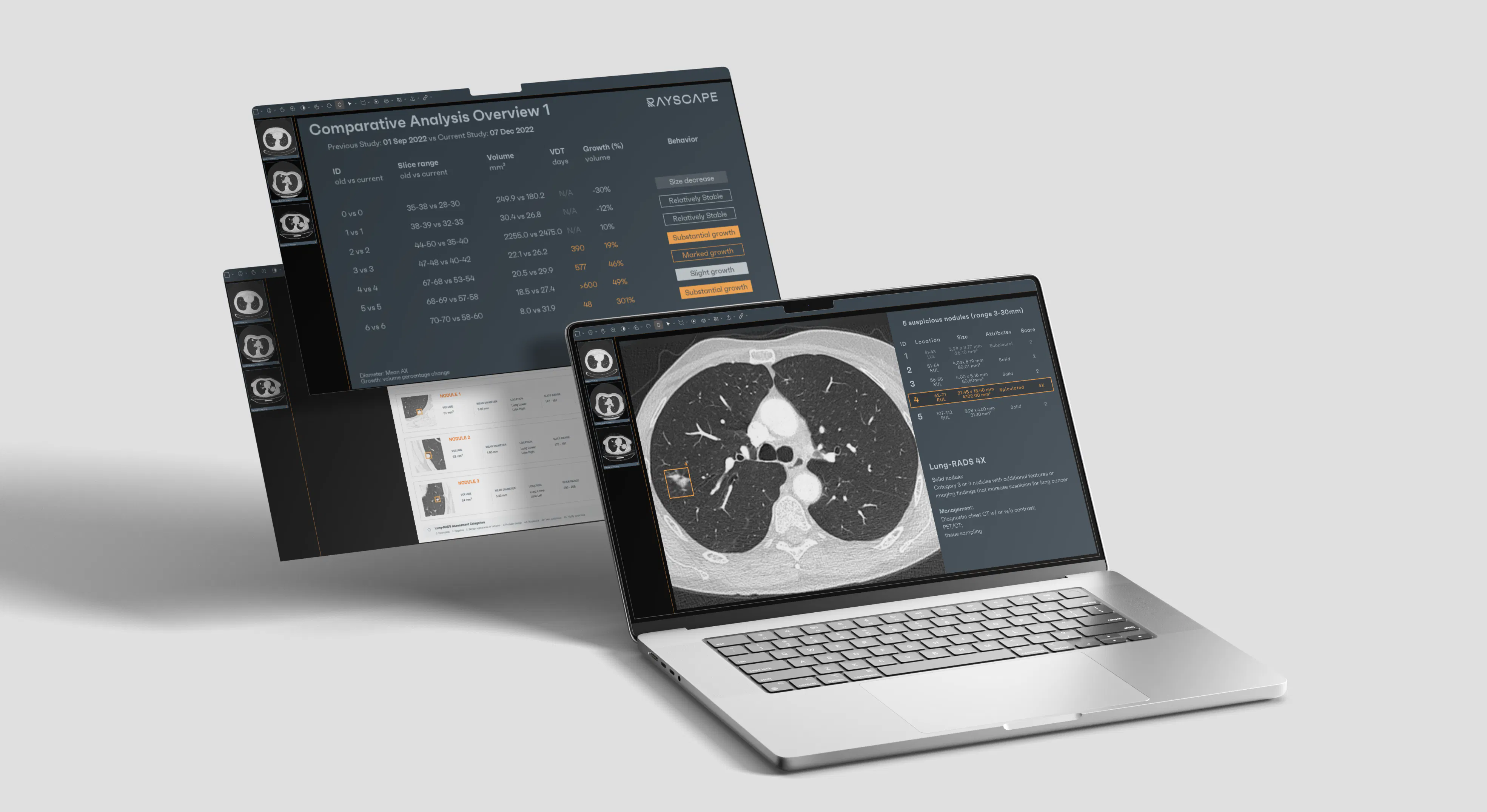
To power the diagnostic solution, the team selected Rayscape’s CXR software. Known for our advanced AI-driven solutions in radiology, we offered a product that could reliably detect TB and over 140 other thoracic pathologies. What set us apart was our ability to analyze both upright and supine chest X-rays, which is particularly important in settings where patients may have difficulty standing.
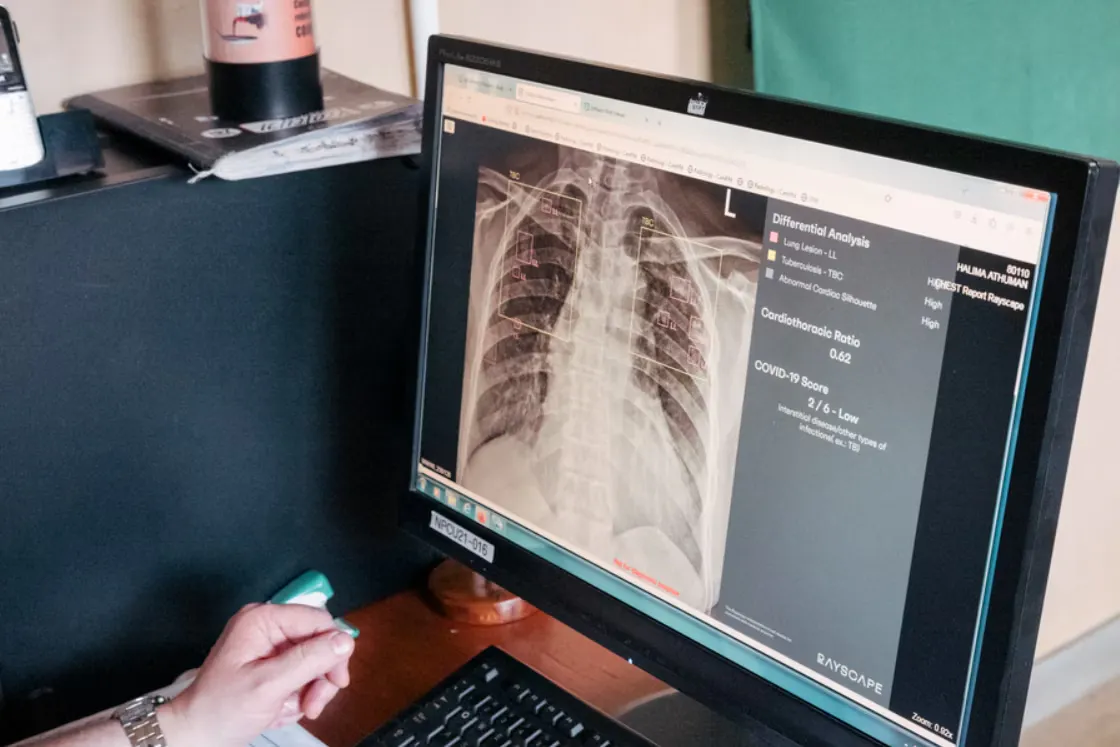
After testing multiple AI providers, Dr. Bigdeli found that Rayscape’s solution provided the most reliable and accurate results for detecting tuberculosis, as the software is not only CE-certified but had also shown great promise in other clinical settings, making it the perfect fit for this project.
Collaboration with deepc for Secure Data Handling
An essential part of the project was ensuring that patient data was handled securely, especially since the AI analysis would be done on a cloud-based platform. The team collaborated with deepc to create a secure data transmission solution that would protect patient privacy while still allowing for effective AI analysis.
The deepcOS platform was used to pseudonymize patient data on-site before securely transmitting the encrypted X-ray images to the cloud for analysis. This approach adhered to global data protection standards like ISO 27001:2022, ensuring that patient confidentiality was respected throughout the process. With this system in place, both the local healthcare providers and patients could have confidence that their data was secure.
First Training and AI-assisted Diagnosis
The project reached a major milestone on May 9, 2025, with the first live training session for the local healthcare team. Despite the remote location of Nyangao, the training session connected team members from Germany, Romania, and the UK, allowing for a seamless, collaborative learning experience.
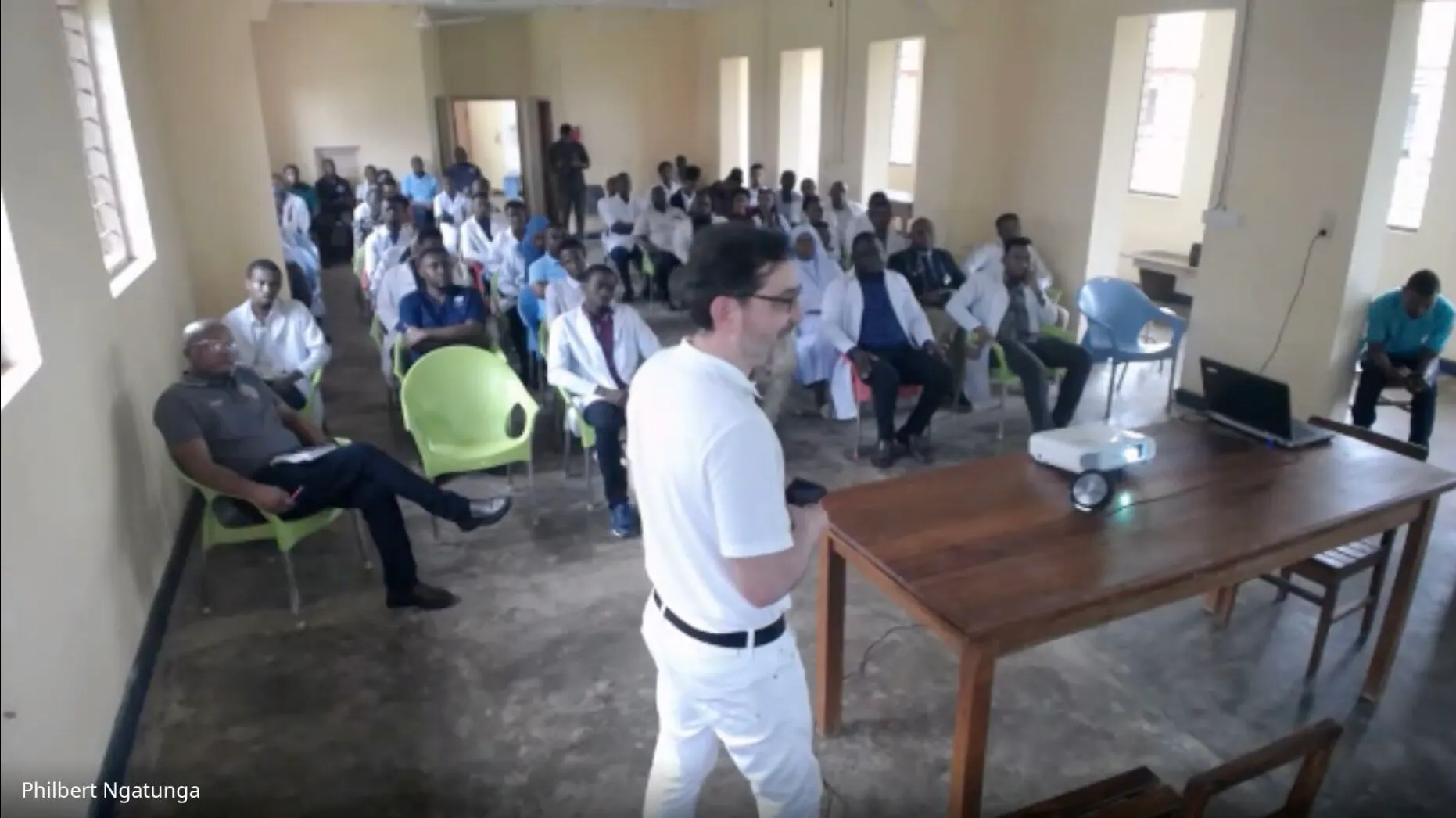
During this training, the local team was introduced to the CXR AI software and immediately began testing it on actual patient data. The results were striking: in the very first case analyzed by the AI, the software successfully identified a tuberculosis case that had been missed by the non-specialized staff. This moment was a "eureka" moment for everyone involved, as it demonstrated the real-world power of AI to assist in diagnosing diseases that otherwise might have been overlooked.
Immediate Impact and Success
The introduction of AI at St. Walburg’s Hospital had an immediate, tangible impact. For the first time, the local medical team had access to a tool that could assist in diagnosing tuberculosis with a level of precision that would have been impossible using the hospital’s previous methods:
- Faster Diagnoses: AI significantly reduced the time it took to analyze chest X-rays, allowing healthcare providers to make diagnoses more quickly and accurately.
- Increased Detection of TB: The AI was able to detect early signs of tuberculosis that would likely have gone unnoticed by the local medical team.
- Boosted Confidence: With AI as a backup, the local healthcare workers gained more confidence in their diagnostic abilities, knowing that they had a powerful tool to assist them.
- Improved Care Quality: The integration of AI-powered diagnostics also helped raise the overall quality of care at the hospital, aligning it closer to international standards despite the challenges of operating in a resource-limited setting.
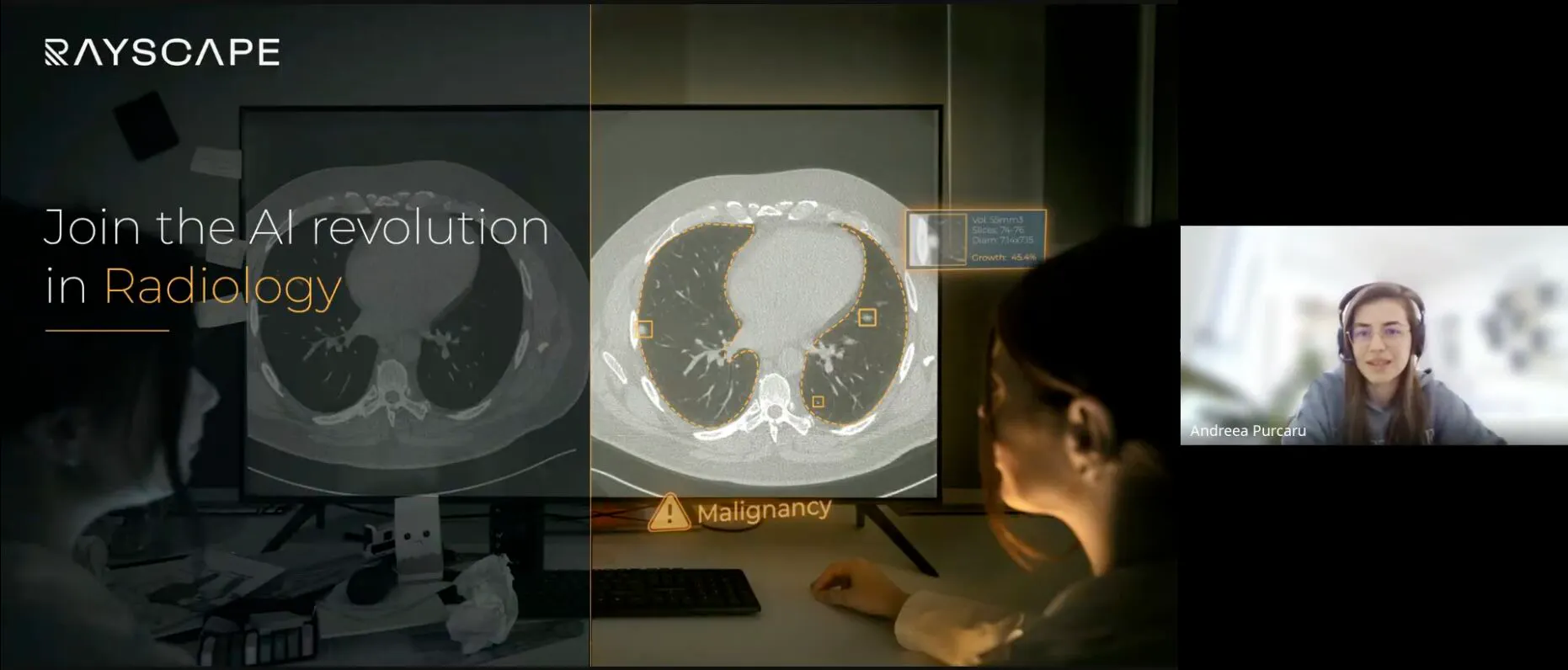
Thanks to the AI solution from Rayscape, St. Walburg’s Hospital is now better equipped to diagnose tuberculosis and other thoracic diseases, ultimately improving health outcomes for the community of Nyangao. The project has provided a much-needed solution to a complex problem, saving lives in a region that previously lacked access to specialized radiological expertise.
Looking Ahead: Expanding the Reach of AI Diagnostics
The success of the AI deployment in Nyangao has opened up exciting possibilities for the future of healthcare, particularly in regions with limited access to medical expertise. While the project in Tanzania focused on tuberculosis detection, the potential applications of AI in radiology are vast and could dramatically transform healthcare delivery on a global scale.
As AI technology continues to evolve, its ability to assist in diagnosing a wide range of diseases—from cancer to heart conditions—will become even more powerful. With AI’s capacity to analyze complex medical images and identify subtle signs that may go unnoticed by human eyes, the technology has the potential to greatly improve diagnostic accuracy worldwide.
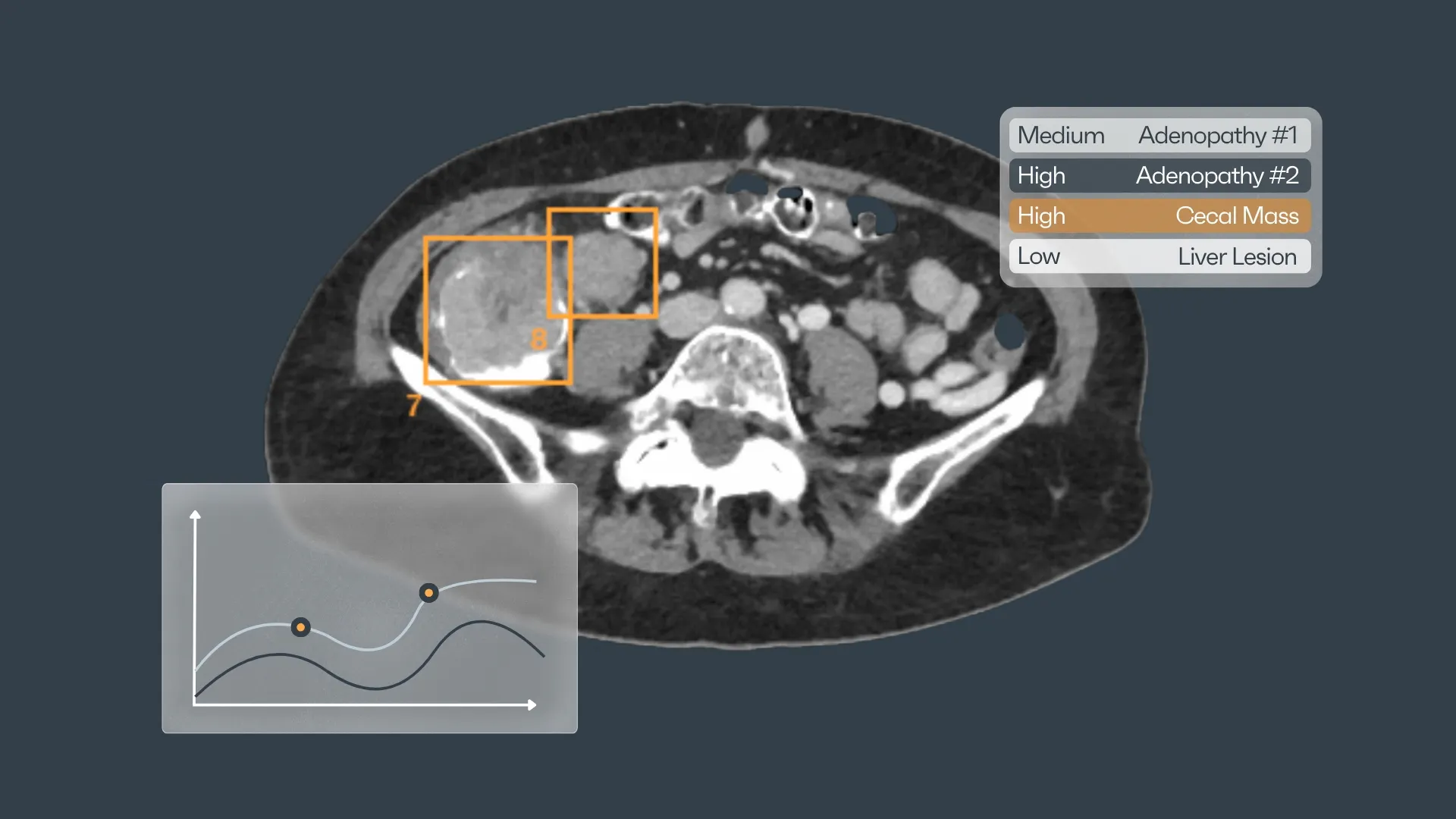
In countries with limited access to healthcare, such as parts of Sub-Saharan Africa, Southeast Asia, and remote regions of Latin America, the integration of AI could bridge the gap between resource-rich and resource-poor healthcare systems. AI-powered diagnostics could provide real-time analysis of X-rays, CT scans, and MRIs, enabling healthcare workers to detect diseases early and intervene before they progress to more severe stages.
Global Expansion: A Vision for Widespread AI Adoption
The success of the Nyangao project sets a powerful precedent for expanding AI diagnostic tools to other underserved regions. As more healthcare providers recognize the value of AI in improving diagnostic efficiency and accuracy, we can expect to see a growing adoption of AI solutions in hospitals and clinics across the globe, particularly in regions facing a shortage of radiologists.
Key considerations for expanding the use of AI in global healthcare include:
- Scalability of AI solutions: The ability to deploy AI solutions at scale, whether in rural clinics or large hospitals, is crucial to maximizing their impact. By ensuring that AI tools can be used across different healthcare settings, AI can offer consistent and reliable support to healthcare professionals worldwide.
- Affordability: To ensure widespread adoption, AI solutions must be affordable and accessible. By partnering with global health organizations and leveraging innovative funding models, AI-powered diagnostic tools can be made available to low-income regions, where they are needed most.
- Local training and support: For AI to be effective in global healthcare, local healthcare workers must be trained to use these tools effectively. Virtual training, like the one conducted in Nyangao, could become a standard approach for onboarding healthcare teams and ensuring they can leverage AI to its full potential.
- Regulatory alignment: As AI tools continue to expand across borders, alignment with international healthcare regulations will be essential. Ensuring that AI solutions comply with local data protection laws and medical standards will be crucial for gaining the trust of healthcare providers and patients.
The Role of Collaboration in Shaping the Future
The Nyangao project is a powerful reminder of the importance of collaboration in driving innovation. This collaborative spirit is key to ensuring that AI continues to make a meaningful impact on global healthcare. Looking ahead, partnerships like these will be instrumental in expanding AI’s reach and ensuring that it serves as a force for good in healthcare. By bringing together medical professionals, technologists, healthcare organizations, and governments, we can create a global ecosystem where AI plays a central role in improving health outcomes and reducing healthcare disparities.
As we look forward to the future of AI in radiology, we would like to extend our heartfelt gratitude to Dr. Amir H. Bigdeli for his unwavering dedication to improving healthcare in underserved regions. His vision, combined with his tireless efforts, has helped bring AI-powered diagnostics to places where they are desperately needed. We also want to thank deepc for their innovative technology, which made the secure and effective implementation of AI in Tanzania possible.
Conclusion: A Brighter Future with AI
As AI continues to evolve and expand its reach, its role in global healthcare will only grow. From detecting tuberculosis to diagnosing cancers and heart disease, AI-powered diagnostics have the potential to revolutionize the way healthcare is delivered worldwide.
The future of AI in healthcare is one where technology is used as a tool to empower healthcare workers, improve patient outcomes, and bridge the gaps in healthcare access that persist in underserved regions. With continued collaboration, innovation, and commitment to making AI solutions accessible and affordable, we can look forward to a future where quality healthcare is available to all, regardless of geographical or economic barriers.
Ready to integrate AI into your department and enhance diagnostic capabilities?
Contact us today to learn how Rayscape’s AI solutions can be seamlessly implemented in your healthcare facility.
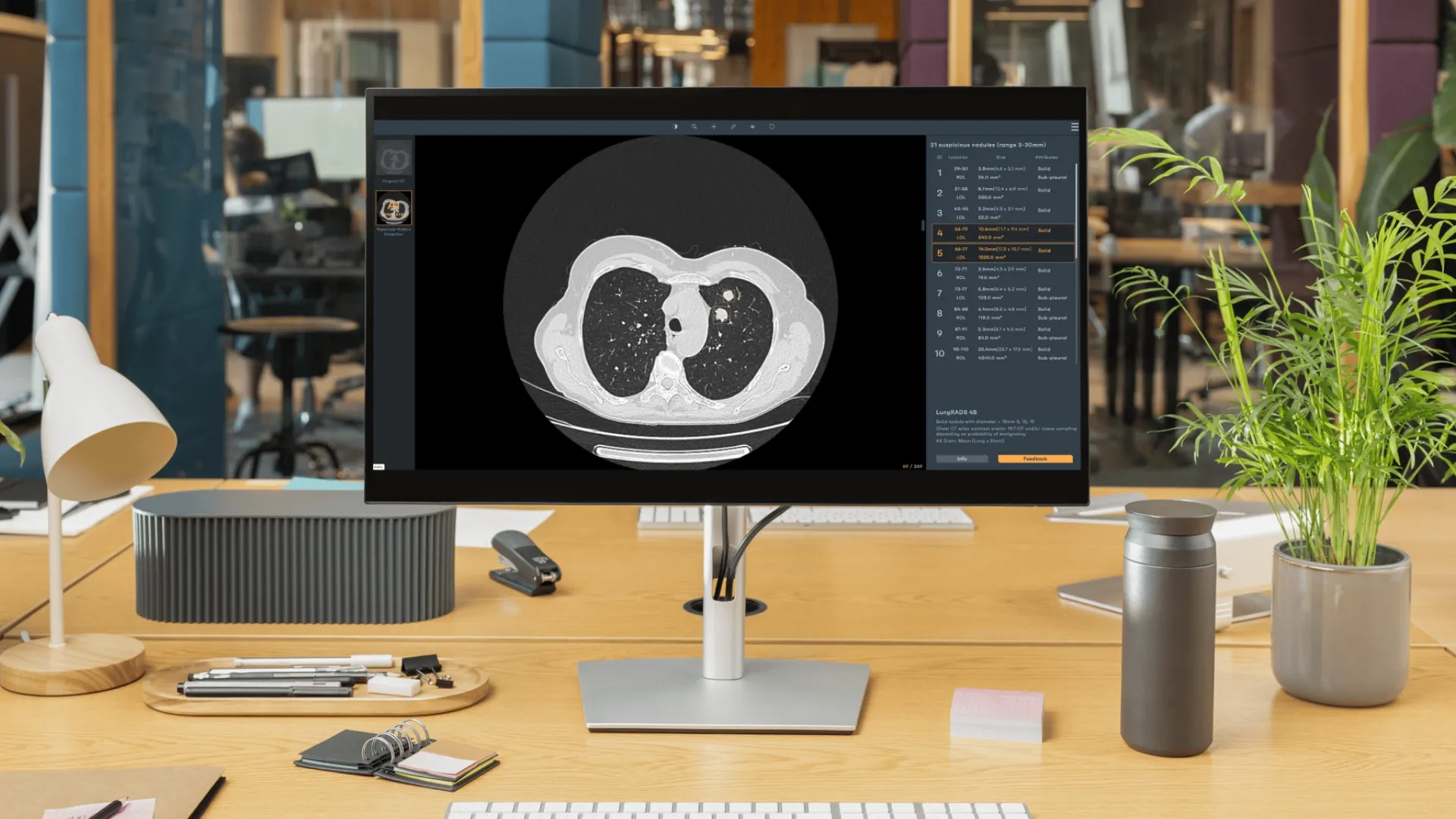
Discover how Rayscape works
integrate Rayscape AI into
your hospital's infrastructure
and improve both your
daily workflow and patients' experience.
